











You have probably seen it happen. Someone tries a new recipe once, and it turns out perfect. Meanwhile, others follow the same steps and still end up with something slightly off.
It is not luck. It is not talent. It is a system.
The good news is that this system is simple, repeatable, and easy to learn. Once you understand it, you can walk into any new recipe with confidence and get it right the first time.
Let’s break it down.
Step 1: They Read Before They Cook
Most people jump straight into cooking. That is where things start to go wrong.
People who succeed on the first try always read the full recipe before touching anything. They are not just scanning. They are looking for:
- Total time required
- Equipment needed
- Any unusual steps
- Timing overlaps
This gives them a mental roadmap. No surprises, no last-minute panic.
What you can do:
Take two minutes to read the recipe from start to finish. It sounds simple, but it prevents most beginner mistakes.
Step 2: They Prep Everything First
This is called mise en place, but you do not need the fancy term. It just means getting everything ready before you start cooking.
Successful cooks measure ingredients, chop vegetables, and set tools in place before turning on the heat.
Why this works:
- You avoid rushing
- You reduce mistakes
- You stay focused on cooking, not searching
What you can do:
Lay out ingredients in the order you will use them. Measure in advance. It feels slower at first, but it makes the entire process smoother.
Step 3: They Control Temperature, Not Guess It
One of the biggest differences between average and great results is temperature control.
Recipes often say things like “medium heat” or “cook until done.” That leaves room for error.
People who consistently get great results rely less on guesswork and more on precision.
This is especially important in baking and sugar-based recipes. For example, when working with caramel or syrups, a few degrees can completely change the outcome.
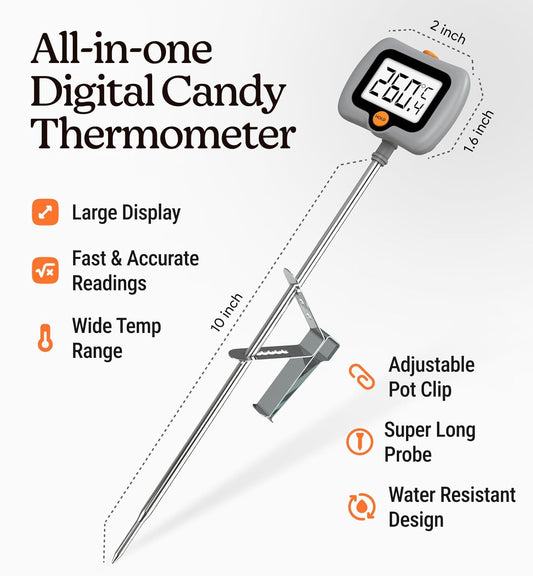
Using tools like a digital candy thermometer removes the uncertainty. You know exactly when something is ready, instead of hoping.
What you can do:
Pay attention to heat levels. When possible, use tools that give you exact readings instead of relying on visual cues alone.
Step 4: They Follow the Recipe First, Then Adjust Later
A common mistake is trying to customize a recipe on the first attempt.
People who succeed treat the first try as a baseline. They follow the recipe closely, so they understand how it is supposed to taste and behave.
Once they know that, they tweak.
Why this matters:
- You learn the original structure
- You avoid compounding errors
- You build confidence
What you can do:
Resist the urge to experiment on your first attempt. Cook it as written. Save your creativity for the second round.
Step 5: They Watch for Signals, Not Just Time
Recipes give estimated times, but food does not follow a clock perfectly.
Experienced cooks look for signals:
- Color changes
- Texture shifts
- Smell development
For example, onions turning translucent or butter browning slightly are clear indicators.
Timing helps, but observation makes the difference.
What you can do:
Use time as a guide, not a rule. Pay attention to how the food looks and smells as it cooks.

Step 6: They Use the Right Tools
Good results are easier when you have the right tools. This does not mean you need a professional kitchen. It means using tools that improve accuracy and consistency.
Examples include:
- Measuring cups and spoons
- Sharp knives
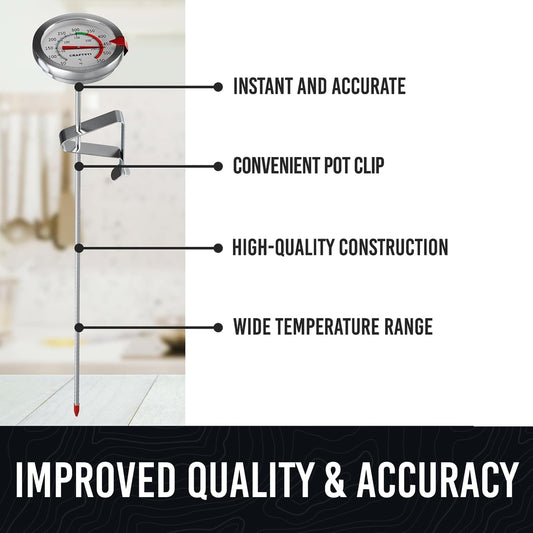
- Thermometers
A digital candy thermometer is especially useful when precision matters. It takes the guesswork out of cooking temperatures and helps you hit exact targets.
What you can do:
Invest in a few reliable tools that solve common problems. You do not need many, just the right ones.
Step 7: They Stay Calm and Focused
Cooking mistakes often come from rushing or multitasking.
People who consistently get recipes right create a calm environment. They are not distracted. They are not trying to do five things at once.
This helps them:
- Follow the steps accurately
- Notice changes quickly
- Avoid simple errors
What you can do:
Give your full attention to the recipe, especially the first time you try it. Even 20 minutes of focus can make a big difference.
Step 8: They Learn From Every Attempt
Even when something is not perfect, successful cooks treat it as feedback, not failure.
They ask:
- Was the heat too high?
- Did I rush a step?
- Did I measure correctly?
This builds skill quickly.
What you can do:
After cooking, take a moment to reflect. One small improvement per recipe adds up fast.
The Simple System You Can Steal
If you remember nothing else, follow this system:
- Read the recipe fully
- Prep everything before starting
- Control temperature carefully
- Follow instructions on the first try
- Watch for visual and sensory cues
- Use tools that improve accuracy
- Stay focused while cooking
- Learn and adjust after
This is exactly what people do when they seem to “just get it right” every time.
Final Thought
Cooking success is not about talent. It is about reducing mistakes and increasing consistency.
When you remove guesswork, stay organized, and pay attention to details, new recipes stop feeling risky. They become predictable and even enjoyable.
A Simple Tool That Makes a Big Difference
If you want one upgrade that instantly improves your results, consider using a digital candy thermometer. It helps you cook with precision, especially for recipes where temperature matters. Instead of guessing, you know exactly when your food reaches the perfect stage.
You can check it out here: Digital Candy Thermometer
It is a small tool, but it supports the entire system you just learned.


