










If your desserts sometimes turn out too soft, too hard, or just slightly off, the issue is often not your ingredients. It is precision. Small temperature differences can completely change the outcome of a recipe. The good news is that you can fix this by mastering one simple dessert.
That dessert is caramel.
Caramel looks basic. Sugar, heat, and maybe cream or butter. But it is one of the best ways to learn control in the kitchen. Once you understand it, you will naturally improve everything from candy to baked goods.
Why Caramel Teaches Precision Better Than Anything Else
Caramel is extremely sensitive to temperature. A difference of just a few degrees can take it from silky and smooth to burnt and bitter.
This makes it the perfect training ground.
When you work with caramel, you learn:
- How heat affects texture
- How timing changes results
- How to recognize visual and temperature cues
These are the same skills used in advanced baking and cooking. Once you develop them here, they transfer everywhere.
The Key Concept: Temperature Control
Most beginner recipes rely on guesswork. A pinch of this, a little more heat, maybe it looks done.
Caramel does not allow that.
For example:
- Around 160°C, sugar melts into a clear liquid
- Around 170°C, it turns golden and develops flavor
- Above 180°C, it quickly burns
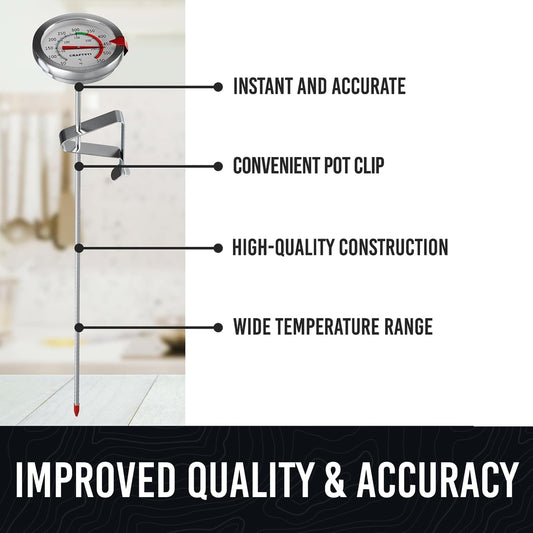
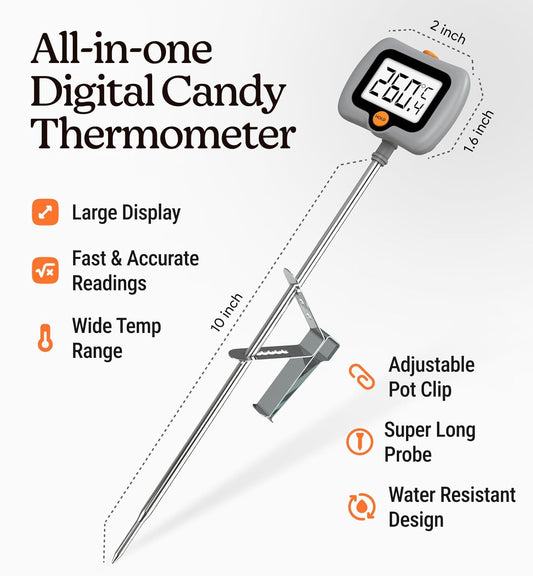
This narrow range is why professionals rely on tools like a digital candy thermometer. It removes guesswork and gives you consistent results every time.
When you start paying attention to exact temperatures, your cooking becomes more predictable and less stressful.
Simple Caramel Recipe to Practice
You only need a few ingredients:
- 1 cup sugar
- 6 tablespoons butter
- 1/2 cup cream
- A pinch of salt
Steps:
- Heat the sugar in a pan over medium heat
- Stir slowly as it melts and turns golden
- Monitor the temperature carefully
- Remove from heat once it reaches a rich amber color
- Add butter and stir
- Slowly pour in the cream while stirring
- Add salt and let it cool
This process may seem simple, but the timing and temperature make all the difference.
Using a candy thermometer here helps you hit the perfect stage without burning the sugar.
The Skill You Are Really Learning
You are not just making caramel. You are learning control.
Here is what improves after just a few attempts:
1. Better Timing
You stop overcooking or undercooking because you understand when things are actually done.
2. Texture Awareness
You begin to notice how slight changes affect thickness, softness, and consistency.
3. Confidence With Heat
Instead of fearing high heat, you learn how to manage it.
This is the foundation of precision cooking.

How This Improves Every Dessert You Make
Once you master caramel, other recipes feel easier.
Cakes and Brownies
You will stop guessing baking times and start checking doneness more accurately.
Frostings and Sauces
You will get smoother textures because you understand heat control.
Candy and Syrups
You will consistently hit the right stage instead of ending up with something too sticky or too hard.
Even simple recipes benefit from this mindset. You move from guessing to knowing.
Common Mistakes and How to Avoid Them
Caramel is simple, but small mistakes can ruin it. Here is what to watch for:
Heating Too Fast
High heat causes uneven melting and burning. Stick to medium heat.
Ignoring Temperature
Relying only on color can be misleading. A candy thermometer helps you stay accurate.
Stirring Too Aggressively
Too much stirring can cause crystallization. Gentle movement is enough.
Walking Away
Caramel changes quickly. Stay focused once the sugar starts melting.
Fixing these habits will improve not just caramel, but all your cooking.
Pro Tips That Make a Big Difference
- Use a heavy-bottomed pan for even heat
- Prep all ingredients before you start
- Keep a bowl of cold water nearby in case of splashes
- Clean your pan immediately after use
And most importantly, track your temperature. This is where most beginners struggle and where the biggest improvement happens.
A reliable digital cooking thermometer is one of the easiest ways to level up quickly.
Why Precision Makes Cooking Easier, Not Harder
Some people think precision makes cooking complicated. The opposite is true.
When you know exact temperatures and timing:
- You waste fewer ingredients
- You get consistent results
- You feel more in control
Instead of guessing, you follow clear signals.
That reduces stress and builds confidence.
The Habit That Changes Everything
The real takeaway is simple.
Start measuring the temperature in your cooking.
Even if you only use a kitchen thermometer at first, the habit will spread to other recipes.
You will begin to notice patterns. You will trust your process more. And your results will improve without needing complicated techniques.
Final Thoughts
Caramel is more than just a dessert. It is a skill builder. By mastering it, you learn precision, timing, and control. These are the exact skills that separate average cooking from consistently great results.
Start small. Practice a few times. Pay attention to temperature. You will see the difference quickly.
If you want an easy way to get started, a reliable thermometer makes all the difference. The digital candy thermometer from Limegoods is designed for accuracy and ease of use, helping you hit the perfect temperature every time without guesswork. It is a simple upgrade that supports better caramel, better desserts, and more confident cooking overall.


