










Making candy at home can feel intimidating. Recipes often talk about exact temperatures, sugar stages, and precise timing. This is where a digital candy thermometer becomes your best kitchen companion. It takes the guesswork out of candy making, helps prevent burning, and ensures your sweets turn out perfectly every time. In this guide, we will explore why digital thermometers are a must-have, what to look for when buying one, and practical tips for using it effectively.
Why a Digital Candy Thermometer Matters
Sugar changes its structure at different temperatures. From soft ball to hard crack stages, hitting the right temperature is crucial. Even a few degrees off can mean the difference between smooth fudge and grainy candy. A candy thermometer lets you monitor the temperature precisely, making even complex recipes achievable for beginners.
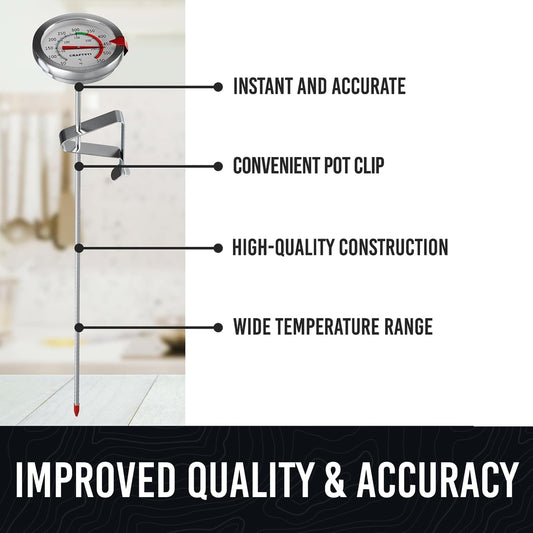
Unlike traditional analog thermometers, digital versions provide instant readings. This means you can check the temperature quickly without removing the thermometer from the pot, keeping your candy at a consistent heat. Many models also include features like alarms that signal when a desired temperature is reached.
Key Features to Look For
When shopping for a digital candy thermometer, here are features that can make a big difference:
-
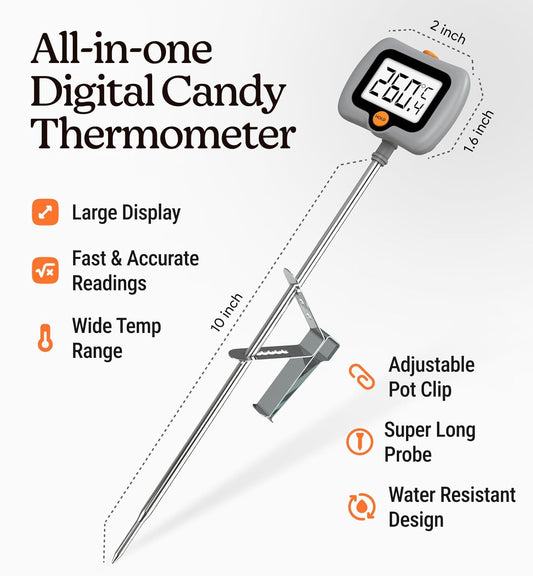
Instant Read: Provides temperature readings within seconds, reducing the risk of overheating sugar.
-
High Temperature Range: Candy making requires temperatures from 230°F to 320°F, so a thermometer must handle this range.
-
Pot Clip or Probe: Allows hands-free monitoring and keeps the probe stable in the syrup.
-
Easy-to-Read Display: Large digital displays help avoid mistakes, especially in hot, steamy kitchens.
-
Durable Materials: Stainless steel probes and heat-resistant wiring ensure long-term reliability.
Selecting a thermometer with these features will make candy preparation smoother, faster, and safer.
Understanding Candy Making Stages
Candy making requires knowledge of candy making stages. Here’s a simple breakdown for reference:
-
Thread Stage (230°F – 234°F): Ideal for syrups and light glazes.
-
Soft Ball Stage (235°F–245°F): Perfect for fudge, fondant, and pralines.
-
Firm Ball Stage (245°F–250°F): Great for caramels and soft taffy.
-
Hard Ball Stage (250°F–265°F): Used for nougat and marshmallows.
-
Soft Crack Stage (270°F–290°F): Great for butterscotch and taffy.
-
Hard Crack Stage (300°F–310°F): Perfect for lollipops, brittle, and hard candies.
-
Soft Crack Stage (270°F–290°F): Ideal for butterscotch and taffy.
-
Caramel Stage (320°F-350°F): Used for glazing desserts like flan or crème brûlée.
A candy thermometer temperature chart can be printed or saved on your phone for quick reference. Digital thermometers often make these stages easier to hit by providing precise readings.

Tips for Beginners
Using a candy thermometer can feel intimidating at first. Here are some tips for beginners:
-
Clip it securely: Ensure the probe does not touch the bottom of the pan, which can give false readings.
-
Monitor constantly: Sugar can go from soft ball to hard crack quickly, so stay attentive.
-
Use a clean pot: Residual food or water droplets can affect readings.
-
Practice patience: Avoid stirring too aggressively once sugar starts boiling.
With these tips, even first-time candy makers can achieve professional results.
Maintaining Your Digital Candy Thermometer
Proper care ensures your thermometer lasts for years. Wash the probe with warm, soapy water after use and avoid immersing digital components in water. Store it in a safe place where the probe won’t bend or get damaged. Regular maintenance keeps your readings accurate and reliable.

Choosing the Right Digital Candy Thermometer
When selecting a model, consider your cooking style. Some thermometers come with extended probes for deep pots, while others feature alarms or preset candy stage settings. Reading product reviews and comparing candy thermometers can help you make the best choice for your kitchen.
A good digital thermometer is versatile, too. Besides candy, it can be used for sauces, jams, deep frying, and even roasting meats, making it a true multipurpose tool in your culinary arsenal.
Conclusion
Digital candy thermometers transform candy making from a tricky guessing game into a reliable, repeatable process. With the right thermometer, clear temperature knowledge, and a few practical tips, you can make caramel, fudge, brittle, and other sweet treats with confidence.
For those ready to upgrade their candy-making game, our Digital Candy Thermometer is a top choice. It offers instant readings, a secure pot clip, and a durable design perfect for both beginners and experienced cooks. This thermometer brings professional-level precision to your home kitchen and ensures your candy is always perfect.


