









If your meals sometimes turn out too dry, too chewy, or just slightly off, you might assume it’s your recipe or your ingredients. In most cases, that’s not the real problem.
The hidden mistake that wastes more ingredients than anything else is simple: not cooking at the right temperature.
It sounds basic, but this one issue leads to overcooking, undercooking, and inconsistent results. The good news is that once you fix it, everything in your kitchen improves instantly.
Let’s break it down and show you how to take control of your cooking with minimal effort.
Why Temperature Matters More Than You Think
Cooking is not just about following steps. It’s about precision.
Every ingredient reacts differently to heat. Sugar melts and caramelizes at specific points. Meat becomes tender only within a certain temperature range. Even chocolate can seize or burn if overheated.
When you rely on guesswork, you introduce risk into every dish.
That’s why many home cooks end up wasting ingredients without realizing it. You might think your recipe failed, but in reality, your temperature control did.
Using tools like a digital thermometer removes that guesswork and gives you consistent results every time.
The Most Common Temperature Mistakes
1. Cooking Too Hot, Too Fast
High heat feels efficient, but it often backfires.
You might burn the outside while the inside stays raw. This leads to food that looks done but tastes disappointing.
This is especially common when frying or making sauces. Without monitoring heat properly, it’s easy to overshoot the ideal range.
2. Cooking Too Low for Too Long
On the flip side, low heat can also waste ingredients.
Food can dry out before it reaches the right internal temperature. This is common with meats and baked goods.
Instead of juicy and tender, you end up with something tough and flavorless.
3. Ignoring Critical Temperature Points
Some recipes depend on exact temperatures.
Candy making is the best example. Sugar goes through stages like soft ball, hard crack, and caramel. Missing the right point by even a few degrees changes the entire result.
Without a cooking thermometer, it’s nearly impossible to hit these stages consistently.
The Simple Fix That Changes Everything
The solution is straightforward: measure temperature instead of guessing.
Once you start doing this, your cooking becomes predictable and repeatable.
You will know when your oil is ready for frying. You will know when your meat is perfectly cooked. You will know exactly when your sugar reaches the right stage.
This one change reduces waste and boosts confidence in the kitchen.
How to Start Using Temperature the Right Way
You do not need to overhaul your entire cooking process. Start with these simple steps.
Step 1: Use the Right Tool
A kitchen thermometer is one of the most useful tools you can own.
It gives you instant feedback and helps you stay within the ideal range for any recipe.
Whether you are frying, baking, or making desserts, it quickly becomes essential.
Step 2: Learn Key Temperature Ranges
You do not need to memorize everything. Just start with a few basics:
- Chicken is safe and juicy around 75°C
- Beef varies depending on doneness, but medium is around 63°C
- Sugar caramelizes around 160 to 180°C
These small reference points make a big difference.
Step 3: Check Early, Not Late
Most people check the temperature only when they think the food is done.
Instead, start checking earlier. This helps you adjust the heat before it’s too late.
It prevents overcooking and keeps your food in the ideal range.
Where This Matters Most

Baking
Precision is everything in baking.
Even a slight temperature difference can affect texture and structure. Cakes can collapse, and cookies can harden.
Using a thermometer ensures your oven and ingredients are working together correctly.
Candy and Sugar Work
This is where temperature control becomes critical.
If you have ever struggled with caramel or candy, the issue is almost always heat.
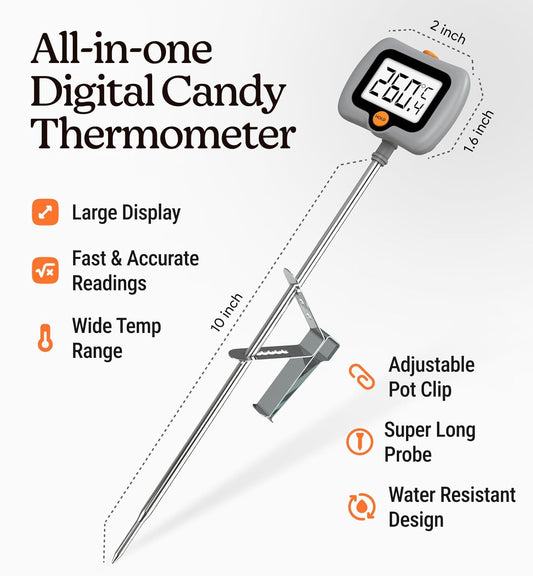
A digital candy thermometer lets you hit exact stages without guesswork, giving you smooth textures and perfect consistency.
Meat and Poultry
Undercooked meat is unsafe. Overcooked meat is dry.
Temperature is the only reliable way to get it right.
Once you start measuring, you will notice immediate improvement in texture and flavor.
The Hidden Benefits You Might Not Expect
Fixing this one mistake does more than just improve taste.
You Save Money
Less wasted food means fewer ingredients thrown away.
Over time, this adds up significantly.
You Cook Faster
When you know your temperature, you stop second-guessing.
This speeds up your entire cooking process.
You Build Confidence
Cooking becomes less stressful when you have control.
Instead of hoping for good results, you can expect them.
A Small Upgrade That Makes a Big Difference
Most people try to improve their cooking by buying better ingredients or following more recipes.
But the real upgrade is control.
Temperature control is what separates inconsistent cooking from reliable results.
Once you fix this one habit, everything else becomes easier.
Final Thoughts
The hidden kitchen mistake that wastes your ingredients is not your skill level. It is not your recipes.
It is the lack of temperature awareness.
The fix is simple and immediate. Start measuring heat instead of guessing.
This small change transforms how you cook, saves your ingredients, and gives you better results every single time.
Upgrade Your Kitchen Precision Today
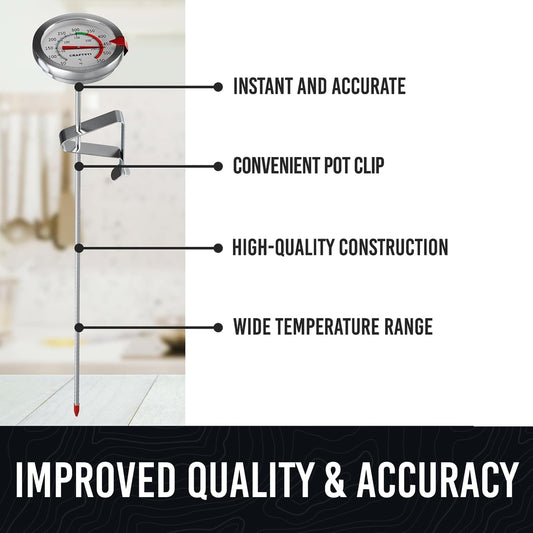
If you are ready to stop wasting ingredients and start cooking with confidence, a reliable thermometer is the easiest place to begin. The digital candy thermometer from Limegoods is designed for accuracy, speed, and ease of use. Whether you are making caramel, frying, or checking meat doneness, it gives you instant, precise readings that eliminate guesswork. You can check it out here: Limegoods Digital Candy Thermometer and bring consistency to every dish you make.


