










Cooking should feel satisfying, not stressful. Yet for many people, stepping into the kitchen brings hesitation, doubt, and constant second-guessing. You wonder if the heat is right, if the timing is off, or if you are about to ruin everything.
The truth is simple. Confidence in cooking is not something you are born with. It is built through small, repeatable habits that reduce uncertainty and give you control.
This guide will show you how to replace anxiety with clarity, so you can cook with confidence every time.
Why Cooking Feels So Stressful
Most kitchen anxiety comes from one thing. Uncertainty.
You are not sure what will happen next, so your brain assumes the worst. This leads to hesitation, overchecking, and rushed decisions.
Common triggers include:
- Not knowing when food is done
- Fear of burning or undercooking
- Trying to follow complex recipes exactly
- Multitasking without a system
The solution is not more effort. It is a better structure.
Start With Fewer Decisions
Confidence grows when you reduce the number of decisions you have to make while cooking.
Instead of improvising everything, set up a simple plan before you begin:
- Read the recipe once fully
- Measure ingredients ahead of time
- Prepare tools and utensils in advance
This removes the mental load during cooking. You are no longer guessing. You are executing.
This is one of the easiest ways to improve your kitchen confidence instantly.
Use Visual and Sensory Cues
Many beginners rely only on time. That is a mistake.
Professional cooks rely more on sight, sound, and texture:
- Listen for steady sizzling, not loud popping
- Look for a golden color instead of pale surfaces
- Feel firmness or softness when checking doneness
For example, chicken is not done just because a timer says so. It is done when the juices run clear, and the texture feels right.
Learning these cues removes the fear of getting it wrong.
Control Heat Instead of Guessing It
One of the biggest sources of anxiety is heat control.
If your pan is too hot, food burns quickly. If it is too low, everything cooks unevenly.
Instead of guessing, follow simple rules:
- Preheat your pan for a few minutes
- Use medium heat as your default starting point
- Adjust gradually instead of reacting too late
A stable cooking temperature gives you more control and fewer surprises.
Stop Chasing Perfection
Perfection is the fastest way to lose confidence.
Even experienced cooks make small mistakes. The difference is that they do not panic. They adjust.
If something goes wrong:
- Too salty? Add a bit of water or balance with acid
- Slightly burnt? Remove the affected part and continue
- Overcooked? Improve next time and move on
Cooking is flexible. It is not an all-or-nothing process.
Letting go of perfection makes room for improvement.
Build One Reliable Habit
Confidence comes from repetition.
Instead of trying new complicated recipes every time, master a few basics:
- A simple stir-fry
- A basic pasta dish
- A well-cooked omelette
When you can make these without thinking, your confidence naturally expands.
This creates a strong foundation for trying more advanced meals later.
Use Tools That Remove Guesswork
The right tools can instantly reduce anxiety in the kitchen.
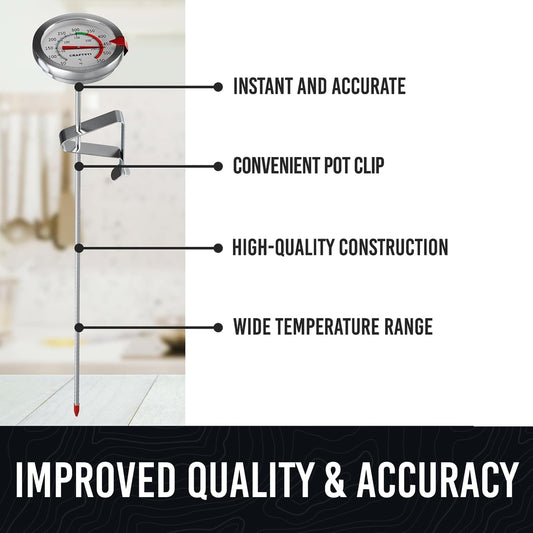
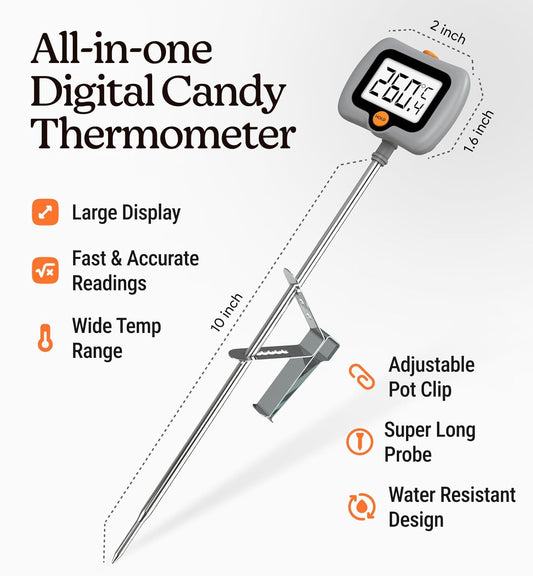
For example, one of the hardest things to judge is temperature. This is where a candy thermometer becomes useful, even beyond sweets.
You can use it to:
- Monitor oil temperature for frying
- Check sugar stages for desserts
- Maintain consistent heat when cooking sauces
When you stop guessing temperature, your results become more predictable.
This is a key step toward stress-free cooking.

Create a Simple Cooking Flow
Instead of reacting randomly, follow a consistent flow every time you cook:
- Prep everything first
- Start with heat control
- Add ingredients in order
- Monitor and adjust gradually
- Taste and refine
This structure reduces chaos and builds rhythm.
Once cooking feels like a sequence instead of a scramble, your confidence grows quickly.
Accept That Mistakes Are Part of Learning
You will burn something. You will overcook something. That is normal.
What matters is how you respond.
Instead of thinking, “I failed,” ask:
- What caused this
- What can I change next time
Each mistake becomes useful data. Over time, you make fewer of them.
This mindset shift is essential for long-term cooking confidence.
Keep Your Environment Calm
Your surroundings affect how you cook.
A cluttered kitchen creates stress. A clean, organized space creates clarity.
Before you start:
- Clear unnecessary items
- Keep only what you need nearby
- Clean as you go
This reduces distractions and helps you stay focused.
A calm space leads to calm decisions.
Trust Small Wins
Confidence does not come from one perfect meal. It comes from small wins repeated over time.
Maybe today you cooked without burning anything. That counts.
Maybe you adjusted the seasoning correctly. That counts too.
Recognize these moments. They build momentum.
Over time, hesitation turns into instinct.
Final Thoughts
Cooking with confidence is not about knowing everything. It is about reducing uncertainty and building simple systems that support you.
When you:
- Prepare ahead
- Use sensory cues
- Control heat
- Rely on helpful tools
- Accept mistakes
You remove the main causes of anxiety.
Cooking becomes something you can trust yourself to do.
Make Confidence Even Easier With the Right Tool
If you want to take one more step toward consistent results, using a reliable thermometer can make a huge difference. The candy thermometer from Limegoods is designed to give you accurate temperature readings without constant checking. Whether you are frying, making sauces, or experimenting with sweets, it helps you stay in control and avoid guesswork.
You can check it out here: Candy Thermometer with Pot Clip
A small upgrade like this can turn uncertainty into precision and help you cook with confidence every time.


