










If your meals often turn out slightly off, you are not alone. One dish burns while another stays undercooked. You follow recipes closely, yet the timing never seems to match what is written. It can feel confusing and frustrating, especially when you are trying to improve your cooking.
The problem is not your skill. It is your timing method.
Most home cooks rely on guesswork, visual cues, or strict clock timing. These approaches seem logical, but they often fail because cooking is not just about time. It is about temperature, consistency, and control.
There is one simple habit that changes everything. Once you apply it, your cooking becomes more accurate, more repeatable, and far less stressful.
Why Time Alone Is Not Reliable
Recipes often say things like “cook for 10 minutes” or “bake for 25 minutes.” These instructions are helpful, but they are not precise.
Here is why:
- Stoves heat differently
- Pan materials affect cooking speed
- Ingredient size changes cooking time
- Room temperature impacts results
So even if you follow the exact timing, your outcome may still vary.
This is why you end up with food that is overcooked on the outside and undercooked inside, or dishes that burn unexpectedly.
Time is only a rough guideline. It is not the true indicator of doneness.
The Habit That Fixes Everything
The simple habit is this: start cooking based on temperature, not just time.
Instead of asking, “How long has this been cooking?” ask, “Is this at the right temperature?”
This small shift makes a huge difference.
Professional chefs rely on temperature because it gives a clear, measurable signal. It removes guesswork and replaces it with accuracy.
When you use a cooking thermometer, you know exactly what is happening inside your food. You are no longer relying on appearance or timing guesses.
How This Habit Improves Every Meal
1. Prevents Burning
Burning happens when heat exceeds the ideal range. Without knowing the temperature, it is easy to overshoot.
With a candy thermometer, you can monitor heat in real time. Whether you are frying, making sauces, or melting sugar, you stay in control.
2. Stops Undercooking
Undercooked food often looks done on the outside. This is especially common with meats and dense foods.
A kitchen thermometer helps you check the internal temperature instantly. You get safe and properly cooked results every time.
3. Creates Consistency
Once you know the correct temperature for a dish, you can repeat it perfectly.
This is how simple home cooking starts to feel professional. You are no longer guessing. You are following measurable results.
Common Situations Where Timing Fails
Let’s look at a few everyday examples:
- Frying chicken that looks golden but is raw inside
- Caramel that goes from perfect to burnt in seconds
- Chocolate that seizes because it overheats
- Meat that dries out because it cooks for too long
All of these problems come from relying on time instead of temperature.
How to Build This Habit Easily
You do not need to change everything at once. Start small and build the habit naturally.
Step 1: Pick One Dish
Choose something you cook often. It could be fried food, candy, or even tea or coffee preparation.
Focus on monitoring the temperature for just that one item.
Step 2: Use the Right Tool
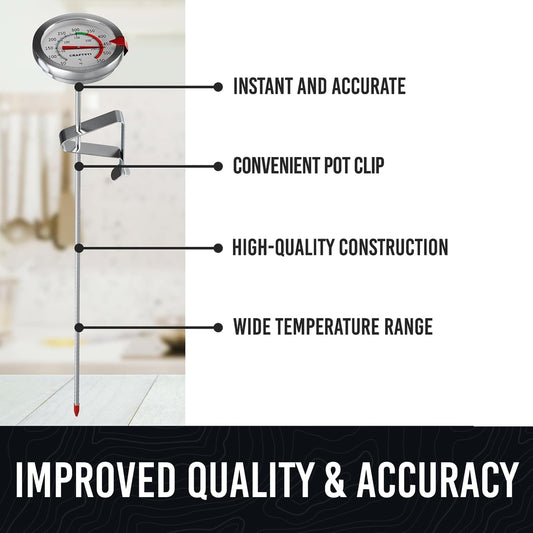
A clip-on thermometer makes the process simple. You can track heat without interrupting your cooking.
Step 3: Observe and Learn
Notice how temperature changes affect your results.
You will quickly see patterns. For example, oil that is too hot cooks faster but unevenly. Sugar that crosses a certain point burns rapidly.
This awareness builds confidence.

Why This Works Better Than Guessing
Guessing relies on experience. But even experienced cooks can make mistakes when conditions change.
Temperature gives you:
- Clear data
- Immediate feedback
- Better control
Instead of reacting to mistakes, you prevent them before they happen.
Pro Tips for Better Timing Control
Once you start using temperature as your guide, these tips will take your cooking further:
Preheat properly
Always let your pan or oil reach the correct temperature before adding food.
Avoid overcrowding
Too much food lowers the temperature quickly, leading to uneven cooking.
Adjust the heat gradually
Small adjustments help maintain stability. Sudden changes cause mistakes.
Stay consistent with tools
Using the same thermometer helps you understand your cooking patterns better.
The Hidden Benefit: Less Stress in the Kitchen
When your timing improves, cooking becomes easier and more enjoyable.
You stop second-guessing yourself. You waste less food. You feel more confident trying new recipes.
This habit is simple, but it changes how you approach every meal.
Final Thoughts
If your kitchen timing always feels off, it is not because you are doing something wrong. It is because time alone is not enough.
The fix is simple and practical. Start using temperature as your guide.
Once you make this shift, you will notice immediate improvements. Your food will cook more evenly. Your results will become consistent. And your confidence will grow with every meal.
A Simple Tool That Makes This Habit Easy
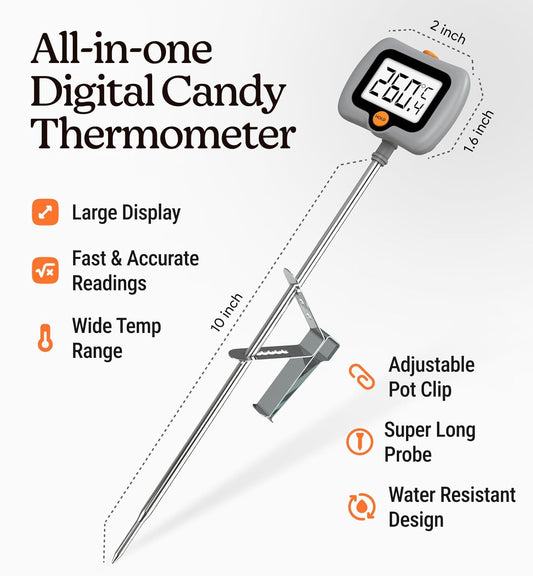
If you want an easy way to apply this habit, a reliable thermometer is a great place to start. This candy thermometer with a pot clip is designed to stay in place while you cook, so you can monitor temperature without extra effort. It works well for candy, frying, and everyday cooking tasks. The clear readings help you stay in control and avoid guesswork, making it a practical upgrade for any kitchen.
Check it out here: Candy Thermometer with Pot Clip – Limegoods.


