











Making candy at home can feel intimidating, especially when recipes call for precise temperatures. But with a candy thermometer, you can master candy making and take the guesswork out of your kitchen. Understanding candy temperature stages ensures your treats come out perfectly every time.
Why Candy Thermometers Are Important
When sugar heats, it changes structure at different temperatures. These stages—like soft ball, hard crack, and caramel—determine the final texture of your candy. Using a candy thermometer guarantees that you hit the right stage, preventing undercooked or burnt sugar.
A thermometer also improves safety. Hot sugar can cause serious burns, so knowing exactly when your mixture reaches the desired temperature keeps accidents to a minimum. For beginners, following a step-by-step guide makes the process easier and more reliable.
The Classic Candy Temperature Stages
1. Thread Stage (230°F – 234°F / 110°C – 112°C)
At this early stage, sugar forms thin threads when dropped into cold water. It is mostly used for syrups and light glazes. Using a kitchen thermometer helps beginners avoid overheating.
2. Soft Ball Stage (234°F – 240°F / 112°C – 115°C)
Sugar dropped into cold water forms a soft, flexible ball. This stage is perfect for fudge and some fondants. Many beginners struggle here, but a thermometer ensures you reach the ideal texture without guessing.
3. Firm Ball Stage (244°F – 250°F / 118°C – 121°C)
At this point, sugar forms a firmer ball that holds shape but is still pliable. Caramels often rely on this stage for smooth, chewy results. Accurate temperature measurement is essential to prevent candy from turning grainy.
4. Hard Ball Stage (250°F – 266°F / 121°C – 130°C)
Sugar forms a solid ball in water but can still be molded slightly. This stage is used for nougat and marshmallows. Using a cooking thermometer ensures your sugar does not overcook.
5. Soft Crack Stage (270°F – 290°F / 132°C – 143°C)
At this stage, sugar threads separate but bend slightly before breaking. It is ideal for butterscotch and taffy. Proper use of a candy thermometer prevents the sugar from reaching the hard crack stage too early.
6. Hard Crack Stage (295°F – 310°F / 146°C – 154°C)
Sugar becomes brittle and snaps easily. Hard candies and lollipops need this stage. Beginners benefit from checking with a thermometer for precise results.
7. Caramel Stage (320°F – 350°F / 160°C – 177°C)
Once sugar surpasses 320°F, it begins caramelizing. The deeper the color, the richer the flavor. A thermometer helps you hit the perfect caramel temperature without burning the sugar.
How to Use a Candy Thermometer for Beginners
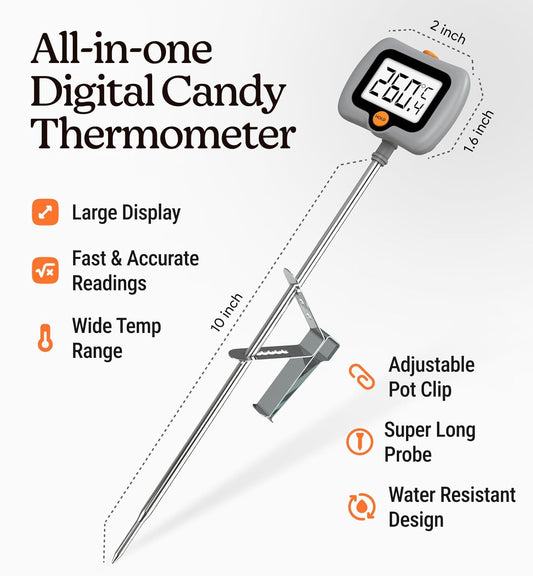
- Clip it to the pot so it does not touch the bottom. This prevents inaccurate readings.
- Keep it clean and dry before use. Residue can affect temperature readings.
- Stir sugar constantly for even heat distribution.
- Avoid sudden temperature spikes; patience is key.
-
Read the thermometer at eye level for an accurate measurement.
Following these simple steps will help you avoid mistakes like overheating or undercooking your sugar.

Tips for Perfect Candy Every Time
-
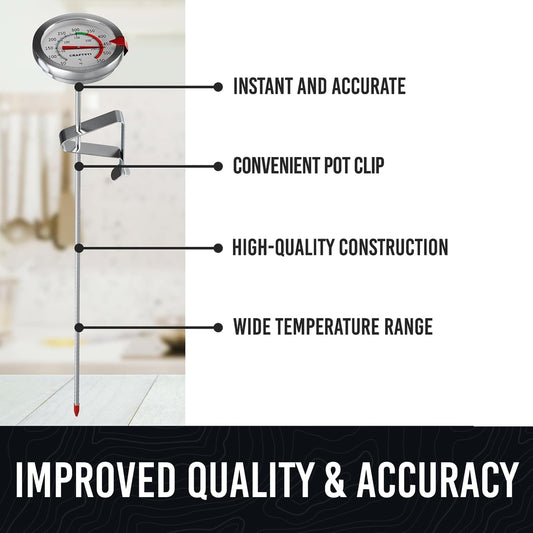
Invest in a thermometer with a clip-on feature for hands-free monitoring.
-
Always check the temperature carefully..
-
Always pre-read your thermometer and calibrate if needed to ensure accurate temperatures.
-
Keep water nearby for the cold water test if you want to double-check without relying solely on the thermometer.
Understanding these stages allows you to plan your candy projects efficiently. From chewy fudge to crunchy lollipops, hitting the right temperature gives consistent results every time.
Conclusion: Make Candy with Confidence
Mastering candy making is much easier with a classic candy thermometer. By following the stages carefully, you can create a variety of confections with precision and confidence.
For those looking for a reliable, versatile thermometer, consider the CRAFT911 Candy Thermometer. It works for frying, candy making, and even candle projects. Investing in a high-quality thermometer ensures your candy adventures are safe, fun, and perfectly sweet every time.


