











Candy making is precise work, and a candy thermometer is your best ally for achieving perfect results. Whether you’re making soft fudge or firm caramel, keeping an eye on the temperature ensures your candy turns out just right. But like any kitchen tool, a candy thermometer needs proper care to last and deliver accurate readings. In this guide, we’ll cover cleaning, storage, and damage prevention tips so your thermometer stays reliable for years.
Why Proper Care Matters
Using a cooking thermometer that is dirty or damaged can affect your results. Sugar and syrup can leave residues that interfere with readings, while mishandling can bend or break delicate components. Maintaining your thermometer protects your investment and guarantees consistent readings.
Cleaning Your Candy Thermometer
After each use, rinse your thermometer under warm water to remove sugar and syrup. For stubborn residues, soak the thermometer in warm, soapy water for a few minutes. Avoid using abrasive scrubbers or harsh chemicals that can scratch the surface or damage the scale.
Make sure not to immerse the dial in water. Instead, wipe it gently with a damp cloth. This prevents water from entering the internal mechanism, keeping your readings accurate.
For sticky messes like caramel or fudge, consider heating a little water in a saucepan and submerging the thermometer tip briefly. The heat will dissolve the sugar without requiring forceful scrubbing.
Drying and Preventing Rust
After cleaning, dry your thermometer completely. Moisture can lead to rust, especially on metal probes. Air drying is fine, but patting with a soft towel ensures there is no leftover water. Storing a damp thermometer can shorten its lifespan and affect accuracy.
Storage Tips
Proper storage prevents damage and keeps your thermometer ready for use. Hang it by its clip or hook to avoid bending the probe. If your thermometer came with a protective case, use it to shield the glass and dial from accidental knocks. Avoid tossing it in a drawer with heavy utensils that can bend or break it.
Keep your thermometer away from extreme heat or cold when storing. High heat can warp plastic handles, while freezing temperatures can crack glass components.
Handling Tips to Avoid Damage
- Always attach a clip-on thermometer to a pot carefully, making sure it is stable.
- Do not use the thermometer to stir thick candy. This can bend the probe and ruin the scale.
-
Avoid sudden temperature shocks. Moving your thermometer from boiling sugar to cold water quickly can cause glass or metal parts to crack.
Following these simple handling rules helps preserve the integrity of your thermometer, ensuring it gives reliable readings.
Common Mistakes to Avoid
Even experienced candy makers sometimes make errors that shorten a thermometer’s life. Common mistakes include:
- Using abrasive cleaners
- Submerging the entire mechanical thermometer in water
- Storing it in cluttered drawers
- Dropping it into boiling sugar
-
Ignoring calibration checks
A little attention goes a long way in preventing these problems.
Keeping Your Candy Thermometer Accurate
Check the accuracy of your thermometer periodically. Place the probe in boiling water and confirm it reads 212°F (100°C). For mechanical thermometers, adjust the calibration nut if available. Accurate readings are crucial for successful candy making.

Conclusion
Taking care of your candy thermometer ensures it remains a reliable partner for every batch. Clean it carefully, store it safely, and handle it gently to maintain accuracy. Following these guidelines helps you hit the correct sugar stages, master caramel temperature, and create candy that turns out perfectly every time.
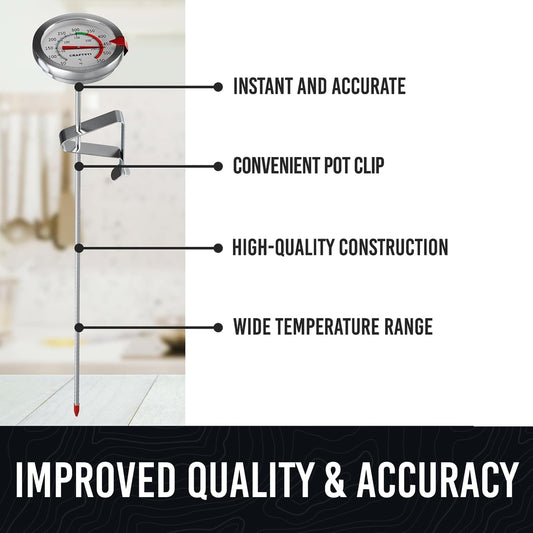
For beginners and pros alike, the CRAFT911 Candy Thermometer offers a reliable, easy-to-use solution. Its clip-on design keeps it stable, while the clear scale ensures you hit the exact temperatures. Whether you are working on hard candy, fudge, or deep frying, this thermometer combines durability with precision, making it a must-have in your kitchen.


