










Squeeze bottles are a staple in laboratories around the world. Lightweight, easy to handle, and precise, they allow scientists and students to control liquids safely and efficiently. From dispensing distilled water to adding reagents, these bottles make experiments more accurate while minimizing spills. In this guide, we’ll explore how labs use squeeze bottles, why they are essential, and how to handle them safely.
Why Labs Use Squeeze Bottles
Squeeze bottles are common in both professional labs and educational settings because they offer:
-
Controlled Flow: The precise tip allows for accurate measurement of liquids, which is essential in experiments.
-
Safety: Using condiment bottles reduces the risk of splashes or spills that could cause accidents or contaminate samples.
-
Versatility: Suitable for water, ethanol, buffer solutions, and even safe acids or bases in small quantities.
-
Durability: High-quality plastic squeeze bottles are lightweight, chemically resistant, and easy to clean.
Whether for science classes or professional research, squeeze bottles are a simple yet indispensable tool.
How to Use Lab Squeeze Bottles Effectively
Proper usage is crucial to maintain safety and accuracy:
-
Use a funnel to pour liquids slowly and avoid overfilling. Label each bottle clearly with the contents.
-
Apply gentle pressure for controlled dispensing. The nozzle type determines flow speed.
-
If a solution dries or leaves residue, soak the tip in warm water and flush until clear.
Following these steps ensures smooth operation and keeps the workspace safe.
Common Laboratory Applications
Labs use squeeze bottles in many ways, including:
1. Rinsing Equipment
Squeeze bottles filled with distilled water are perfect for rinsing glassware or test tubes. The anti-drip design minimizes waste while providing precise control.
2. Adding Reagents
For small-scale reactions, controlled addition of reagents is critical. Squeeze bottles help deliver consistent amounts of liquids without splashing. This is particularly useful in titrations or chemical demonstrations.
3. Cleaning Surfaces
Many labs use bottles to apply cleaning solutions to benches or instruments. Their controlled flow prevents over-application and reduces chemical exposure.
4. Educational Experiments
In classrooms, squeeze bottles help students explore chemistry or biology safely. They can practice layering liquids, observing reactions, or creating small-scale models. Reusable and eco-friendly squeeze bottles ensure repeated use without generating excess plastic waste.

5. Personal Care Labs
Even in labs dealing with cosmetics or personal care formulations, squeeze bottles are common for dispensing oils, lotions, or gels. Their precise control ensures accurate measurements and reduces contamination.
Safety and Maintenance Tips
Safety is the top priority when using squeeze bottles in scientific settings:
-
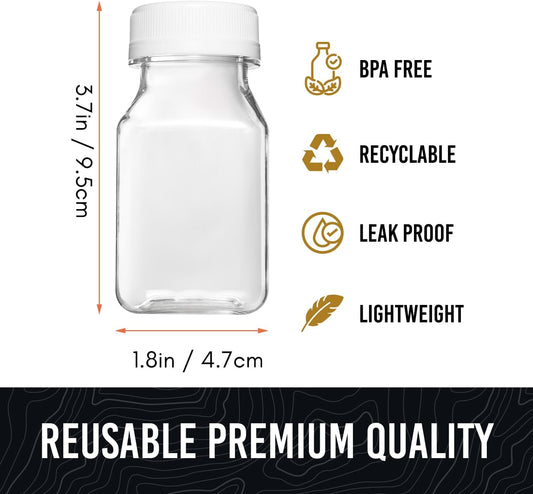
Always use BPA-free squeeze bottles to avoid chemical reactions or contamination.
-
Label each bottle with its contents and date of preparation.
-
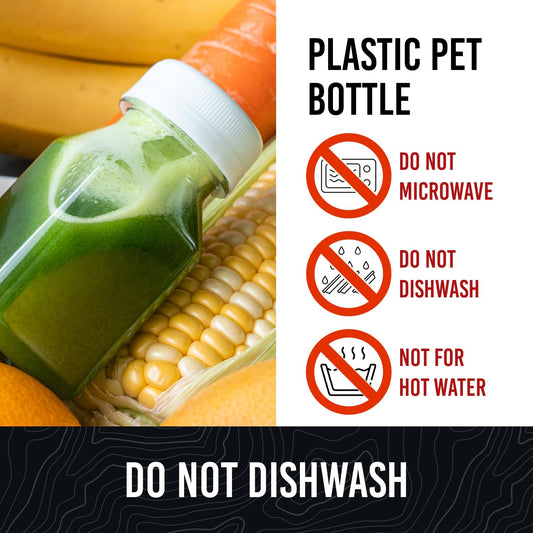
Clean bottles thoroughly after use. Many lab bottles are dishwasher-safe or can be sterilized with boiling water if appropriate.
-
Store bottles in a cool, dry area away from direct sunlight to maintain chemical stability.
Proper care extends the lifespan of squeeze bottles and maintains lab safety.
Choosing the Right Squeeze Bottle for Labs
When selecting a bottle for experiments, consider:
- Material: High-quality plastic, such as PET, resists chemical reactions and is durable.
- Nozzle: A precision tip or anti-drip nozzle reduces spills and improves control.
- Capacity: Small bottles (4-12oz) are ideal for handling liquids in experiments.
-
Reusability: Opt for reusable bottles to reduce plastic waste and support sustainable lab practices.
Products like Norcalway Condiment Squeeze Bottles can even double as lab bottles for safe liquids in educational settings. They are reusable, spill-proof, and BPA-free, making them versatile for multiple tasks.
Long-term Payoffs
Using squeeze bottles in labs offers advantages beyond convenience:
- Reduces accidents and chemical spills
- Increases accuracy in experiments
- Encourages students to learn safe handling techniques
-
Supports sustainability through reusable, eco-friendly squeeze bottles
For educational labs, hands-on activities become safer and more engaging when children and students learn proper squeeze bottle usage.
Conclusion
Squeeze bottles are a simple but essential tool in both professional and educational laboratories. From controlled reagent addition to rinsing equipment and creating safe student experiments, they improve accuracy and safety. Choosing the right bottle ensures long-lasting use and sustainable practices.
By incorporating these bottles into lab routines, you make experiments more precise, cleaner, and safer, helping both professionals and students enjoy science with confidence.
For educational labs and classroom experiments, Norcalway Condiment Squeeze Bottles offer a reliable, BPA-free solution for safely dispensing water, cleaning solutions, and other non-corrosive liquids. Their durable design, precision tip, and reusable construction make them a practical and cost-effective choice for controlled, mess-free scientific work.


