










Squeeze bottles can make daily chores easier, whether cooking, doing some DIY work, or having to dispense liquids accurately. This is the guide that explains how to use them, provides the most crucial instructions, tells you about some tips, and assists you in solving the most common problems, thus enjoying most of what you have bought.
Choosing the Right Squeeze Bottle for Your Needs
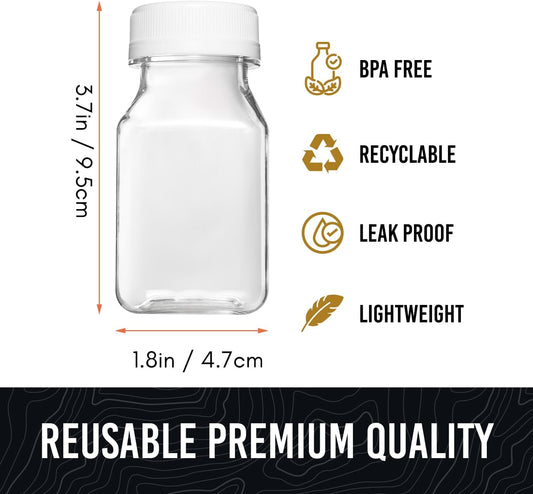
When shopping for the perfect squeeze bottle, choosing the right material and design can make all the difference in convenience and safety. A BPA-free container is always a smart choice for storing food, drinks, and everyday liquids, while refillable bottles help reduce waste and offer long-term value.
For the kitchen, choose food-grade bottles. These are often made from PET plastic, which is strong and easy to clean. If you want a more sustainable option, look for condiment bottles made from recyclable materials.
Different needs call for different bottle types. These bottles work well for ketchup and mustard. A sauce dispenser is perfect for dressings and marinades. An oil dispenser helps you drizzle cooking oils with control. For lotions, soaps, or shampoos, a cosmetic container or personal care bottle is ideal.
An anti-drip squeegee bottle is also an option to use in keeping your kitchen or work area clean. It can be used to avoid spills and untidy countertops.
Proper Filling Instructions for Your Dispenser
Learning how to fill the bottle correctly ensures mess-free operation and optimal performance. Follow these instructions for best results:
- Remove the cap and nozzle: Unscrew the top completely to access the wide opening.
- Use a funnel if needed: For thicker liquids like sauces or oils, a funnel prevents spills and waste.
- Fill to the appropriate level: Leave about one inch of space at the top to allow for proper squeezing action.
- Secure the cap tightly: Ensure the nozzle is firmly attached to prevent leaks.
- Test the flow: Squeeze gently over a sink to check consistency and adjust if necessary.

Whether you're using a condiment squeeze bottle for restaurant prep or filling a lab bottle for precise measurements, proper filling technique makes all the difference.
Unclogging Your Dispenser: Step-by-Step
Even the best-maintained bottles can develop blockages. These are the proven ways to unclog a squeeze bottle:
- Remove the nozzle: Take off the cap and tip completely.
- Soak in warm water: Let it sit in warm, soapy water for 15 –20 minutes to dissolve residue.
- Use a thin wire or pin: Gently push through the opening to dislodge stubborn clogs.
- Flush with water: Run warm water through the nozzle to clear remaining debris.
- Dry thoroughly: Allow all parts to air dry before reassembling.
For stubborn clogs in oil or sauce bottles, white vinegar can help break down sticky residues.
Essential Tips for Your Squeeze Bottle
Proper care and usage will not only increase the duration of your bottle's lifespan, but it will also guarantee accurate and consistent pressure with each dispensing. Such simple routines will enable you to remain clean, avoid clogs, and make your daily chores effortless and efficient. These are some useful suggestions on how to use your squeeze bottles to the maximum:
Daily cleaning: Wash your bottles with warm, soapy water after each use. This is especially important for food squeeze bottle types to prevent bacterial growth and flavor transfer.
Weekly deep clean: Fill the bottle with warm water and a drop of dish soap. Close the cap, shake well, and squeeze the soapy water through the nozzle several times. Rinse thoroughly afterward.
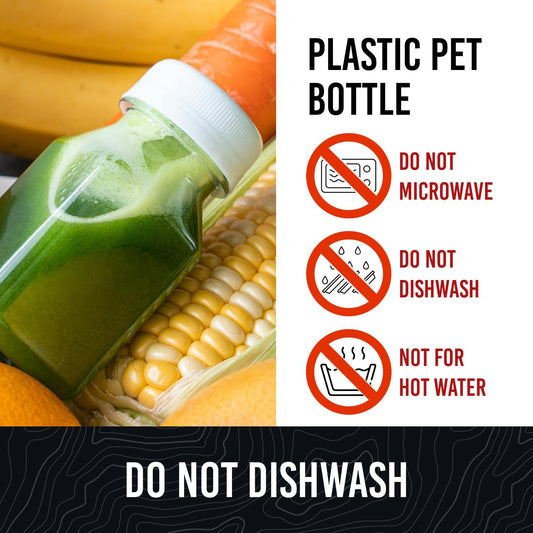
Dishwasher safety: Check whether the bottle is dishwasher-safe. Many BPA-free bottles are safe on the top rack, but keep in mind that high heat may wear out certain plastics over time.
Inspect regularly: Look for cracks, cloudiness, or worn-out caps and nozzles. These signs mean it’s time to replace the bottle.
Store sauces properly: Keep your sauce bottles upside down in the refrigerator. This ensures thick condiments are always ready to dispense without waiting.
Protect oils: Store your oil dispenser away from heat and direct sunlight to prevent oils from turning rancid. Dark-colored bottles add extra protection.
Practice precision: Test your squeeze pressure over an empty plate. Slow, steady pressure gives more control than a quick, forceful squeeze.
Mind the temperature: Cold liquids flow more slowly. If refrigerated contents aren’t dispensing well, let the bottle sit at room temperature for a few minutes.
Label clearly: Whether you're using multiple kitchen bottles or a lab squeeze bottle, proper labeling helps avoid mix-ups between sauces, oils, or lab liquids.
Eco-Friendly Practices for Your Dispensers
Sustainable packaging and recycling can be used to minimize environmental pressure. Look for bottles marked with recycling symbols, typically #1 (PET) or #4 (LDPE). When your bottle reaches the end of its life, rinse it thoroughly and place it in your recycling bin.

An eco-friendly squeeze bottle approach means buying quality over quantity. One well-made, reusable bottle eliminates the need for dozens of disposable containers.
Final Thoughts
Now that you know how to use squeeze bottles effectively, you can enjoy precise dispensing for countless applications. Whether you need the best dispenser for kitchen use, lab measurements, or cosmetics, proper filling, maintenance, and care will ensure years of reliable service. Remember these instructions, and you'll master the art of mess-free, controlled dispensing in no time.
If you’re looking for a reliable, everyday squeeze bottle, the Norcalway Condiment Squeeze Bottles are a smart upgrade. They are ideal for sauces, oils, dressings, and homemade liquids because of their smooth, controlled dispensing design, which prevents leaks and mess. These bottles are easy to squeeze, easy to clean, and designed for frequent refills because they are made of sturdy, food-grade, BPA-free material.

