











Squeeze bottles may look simple, but they’re powerful tools that can transform the way you cook, plate, and store ingredients. Whether you’re drizzling sauces, prepping ingredients ahead of time, or decorating baked goods, the right techniques can make these bottles indispensable in a home kitchen. This guide covers the most helpful squeeze bottle tips every home cook should know.
Choose the Right Squeeze Bottle
Using the correct bottle makes cooking smoother and safer.
For sauces and condiments
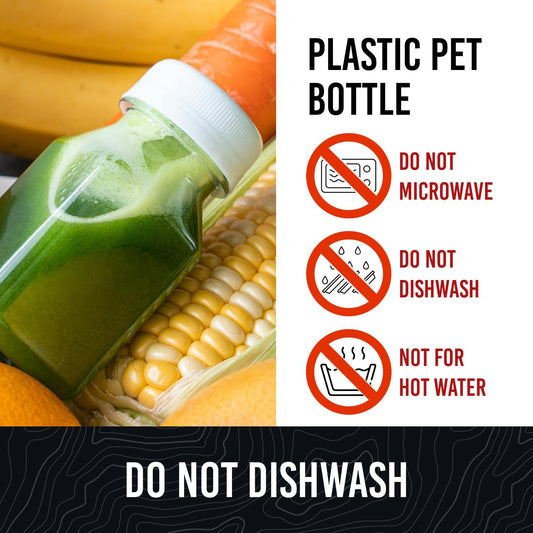
Choose a food-grade kitchen squeeze bottle made from PET or LDPE. These materials are flexible, safe, and durable enough for everything from homemade dressings to mayo or chili sauce.
For oils and liquid seasonings
A squeeze bottle with a precision tip gives you better control when drizzling olive oil, soy sauce, or vinegar. If you store oil, use a darker or opaque bottle to protect it from sunlight.
For baking and dessert decoration
Thin-tip bottles are best for icing, chocolate, caramel, and decorative lines. They offer cleaner control than spoons or piping bags.
For meal prep
Bottles with measurement markings help you portion batter, marinades, and dressings quickly.
Choosing the right bottle keeps your kitchen organized and makes dispensing easier and more predictable.
Fill Your Squeeze Bottle the Right Way
A properly filled bottle works better and stays cleaner.
- Fully unscrew the cap to expose the entire opening.
- Use a funnel when working with oils, batter, or thicker sauces to avoid creating air pockets.
- Fill only up to ¾ full. Leaving extra space helps you squeeze more easily and prevents overflow.
- Tap the bottle on the counter to release trapped air bubbles that could interfere with the flow.
- Secure the cap tightly and test the flow over your sink or a plate.
These steps help you avoid a mess and get a smooth, even squeeze every time.
Prevent Clogs Before They Start
Clogs are common in cooking squeeze bottles, especially with homemade or refrigerated sauces. Use these tips to avoid blockages:
- Strain sauces to remove seeds or herb pieces
- Warm up thick sauces slightly to improve flow
- Snip the tip carefully — start small and enlarge only if needed
- Wipe the nozzle after each use to prevent buildup
Preventing clogs saves time and keeps your bottles ready for cooking.
How to Unclog a Squeeze Bottle Safely
If the nozzle blocks, do not squeeze harder. This can cause sudden splashes or accidents. Instead:
- Remove the nozzle completely.
- Soak it in warm, soapy water for 15–20 minutes.
- Use a toothpick or thin wire to clear the opening gently.
- Rinse and let it dry before reattaching.
For oil-based residues, warm water mixed with vinegar works very well.
Keep Your Bottles Clean
Cleanliness is crucial in every aspect of cooking. Try incorporating these care habits:

Daily Cleaning
Rinse and wash the bottle with warm, soapy water right after use. Sauces left sitting inside can harden, making them harder to remove later.
Weekly Deep Cleaning
Fill the bottle with warm water and dish soap. Shake it vigorously, then squeeze the soapy mixture through the nozzle to clean the inside of the tip. Rinse thoroughly afterward.
Check for Dishwasher Safety
Some bottles are top-rack dishwasher-safe, but others can warp under high heat. Check the label before cleaning them this way.
Inspect for Wear and Tear
Look for cracks, discoloration, warped plastic, or loose caps. These signs indicate it’s time to replace the bottle.

Proper maintenance extends the life of your bottles and keeps your cooking sanitary.
Smart Storage Tips for Better Kitchen Efficiency
How you store your squeeze bottles affects both convenience and food safety.
- Store thick condiments upside down in the refrigerator so they’re always ready to dispense.
- Keep oil bottles away from heat and direct sunlight to prevent rancidity.
- Label your bottles clearly when storing sauces.
-
Use smaller bottles for ingredients you use frequently to keep everything fresh.
These small habits make cooking faster, cleaner, and more organized.
Use Squeeze Bottles for More Than Just Sauces
A kitchen squeeze bottle is incredibly versatile. Here are some creative uses:
- Pancake art for fun breakfasts
- Controlled marinade application
- Portioning dressings for meal prep
- Plating and garnishing dishes
- Storing homemade syrups or flavored oils
Once you start using them, you’ll find dozens of purposes beyond basic condiment storage.
Go Eco-Friendly With Reusable Bottles
Choosing high-quality, reusable squeeze bottles reduces your dependence on disposable containers. When your bottle reaches the end of its life:
- Rinse it thoroughly
- Check the recycling code
-
Dispose of it responsibly
Investing in durable bottles not only improves your cooking experience but also supports a more sustainable kitchen.
Final Thoughts
Mastering a few essential squeeze bottle tips can level up your cooking experience. Whether you're drizzling sauces, portioning batter, or decorating desserts, a reliable kitchen squeeze bottle gives you precision, convenience, and control. With the right storage, cleaning, and usage habits, your bottles can become some of the most versatile tools in your kitchen.
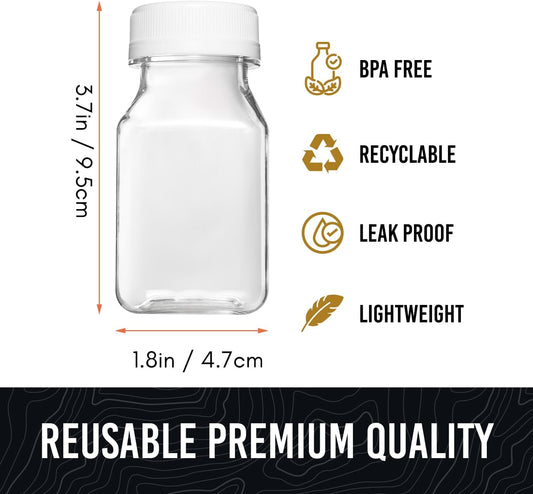
If you’re looking for a reliable, everyday squeeze bottle, the Norcalway Condiment Squeeze Bottles are a smart upgrade. They are ideal for sauces, oils, dressings, and homemade liquids because of their smooth, controlled dispensing design, which prevents leaks and mess. These bottles are easy to squeeze, easy to clean, and designed for frequent refills because they are made of sturdy, food-grade, BPA-free material.


