











Squeeze bottles are one of those simple tools that quietly make life easier. From kitchens and cafés to labs and personal care routines, they help control flow, reduce mess, and keep liquids exactly where you want them. This squeeze bottle guide walks you through the easiest way to use, fill, clean, and maintain them so they last longer and perform better.
Whether you are using a food condiment bottle for sauces or a reusable option for oils and dressings, proper handling makes a noticeable difference.
What Makes a Good Squeeze Bottle
Before jumping into instructions, it helps to understand what makes a squeeze bottle practical and reliable. Most quality options today are made from lightweight plastic that is flexible yet durable. Translucent designs allow you to see how much liquid is left, which saves time during cooking or prep.
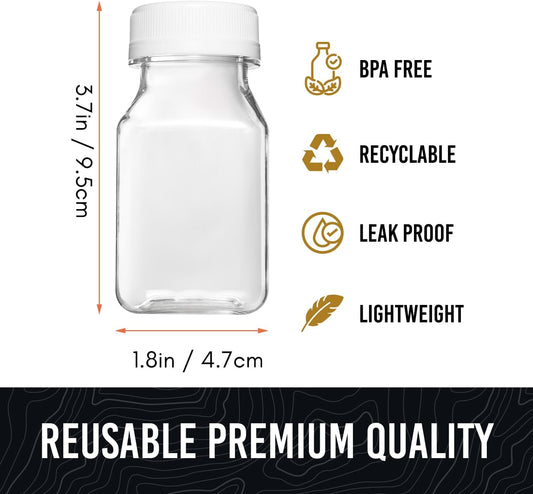
Look for bottles that are BPA-free, leak-proof, and dishwasher safe. A wide opening is especially helpful because it simplifies filling and cleaning. Many modern designs also include anti-drip tips to reduce spills and keep countertops clean.
These features matter whether you are using bottles in a home kitchen, a restaurant, or even for cosmetics or personal care.
How to Use Squeeze Bottles Properly
Using squeeze bottles the right way helps you get consistent results while avoiding unnecessary mess.
Start by holding the bottle upright with a relaxed grip. Apply gentle pressure instead of squeezing too hard. Controlled pressure gives you a smooth, even flow, which is ideal for sauces, oils, and dressings. For thicker liquids, a slightly firmer squeeze works better.
Always recap the bottle tightly after use. This helps maintain freshness and prevents leaks, especially if the bottle is stored on its side or in a refrigerator.
How to Fill a Squeeze Bottle Without Spills
One of the most common frustrations is filling a bottle without making a mess. Mastering the proper way to fill a squeeze bottle makes your work faster and keeps your workspace clean.
Start with a clean, dry bottle. Place it on a stable surface. If the liquid is thin, pour slowly directly into the wide opening. For thicker sauces, use a small funnel or spoon to guide the contents inside.
Do not fill the bottle all the way to the top. Leave some space so the bottle can be squeezed easily without forcing liquid out of the cap. Once filled, secure the cap firmly and give the bottle a gentle test squeeze over the sink.
Tips for Different Uses
Squeeze bottles are versatile and adapt well to many tasks.
For cooking, they work perfectly as a squeeze bottle for oil or dressings, allowing precise control over how much you use. Bakers often rely on them for decorating plates or desserts with sauces and syrups.
In personal care, bottles are commonly used for lotions, shampoos, or liquid soaps. Their controlled flow reduces waste and keeps routines tidy.
In labs or workshops, squeeze bottles are used for dispensing water or cleaning solutions with accuracy and safety.
These squeeze bottle tips help ensure you are using the right bottle for the right task.
How to Clean Squeeze Bottles Thoroughly

Cleaning is essential, especially for food and personal care uses. Residue buildup can cause odors, clogs, and hygiene issues.
Begin by disassembling the bottle. Remove the cap and nozzle. Rinse everything with warm water to loosen residue. Add a few drops of dish soap, fill the bottle halfway with warm water, recap, and shake well.
Use a small bottle brush if needed to reach the corners. Rinse thoroughly until no soap remains. Let all parts air dry completely before reassembling. Drying upside down helps prevent trapped moisture.
For stubborn smells or stains, a soak in warm water with baking soda or vinegar can be very effective.
Storage and Maintenance Best Practices
Good maintenance extends the life of your squeeze bottles. Store them upright when possible to prevent leaks. Label bottles clearly to avoid mixing contents, especially if you use similar liquids.
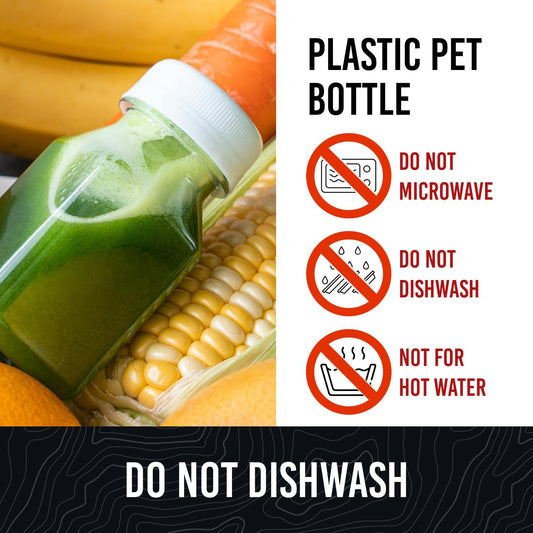
Avoid exposing plastic bottles to extreme heat unless they are labeled freezer safe or dishwasher safe. Regularly inspect caps and tips for cracks or wear. Replacing worn caps helps maintain leak resistance.
Choosing a bottle like the Norcalway Condiment Squeeze Bottles gives you a reusable, durable solution for storing sauces, dressings, oils, and other liquids with ease. Their flexible, leak-resistant design makes dispensing precise and mess-free while supporting a more eco-friendly, low-waste kitchen routine.
Choosing the Right Squeeze Bottle
The best squeeze bottle for kitchen use depends on what you need most. Wide-mouth bottles are ideal for thick sauces. Narrow tips work better for drizzling oils or decorating plates.
Material matters too. Most plastic bottles are lightweight and flexible, making them easy to use. Look for food-grade plastic designed for repeated washing and long-term use.
Quality bottles designed for condiments often balance flexibility with durability, making them suitable for daily use at home or in professional settings.
.
Final Thoughts
Following proper squeeze bottle instructions makes everyday tasks cleaner, faster, and more efficient. From filling and cleaning to unclogging and storage, small habits go a long way in keeping bottles reliable and mess-free.
With the right care, a reusable squeeze bottle becomes a dependable tool you reach for daily, whether you are cooking, crafting, or organizing liquids around your home.
Make everyday tasks cleaner and more efficient with Norcalway Condiment Squeeze Bottles from Limegoods. Designed for easy filling, smooth dispensing, and hassle-free cleaning, they’re perfect for sauces, oils, and more. Durable, reusable, and leak-resistant, they’re a simple upgrade for any kitchen or workspace.


