











Staying organized sounds simple. Most people believe it is just about cleaning up, buying storage boxes, or writing a to-do list. But if that worked, everyone would already be organized. The reality is different. Many people try again and again, only to fall back into clutter and chaos within days.
The problem is not a lack of effort. It is using the wrong system.
Understanding why most people fail is the first step. Once you see the pattern, you can switch to a method that actually works long term.
The Real Reason Organizations Fail
Most organizational attempts fail because they focus on outcomes, not habits.
People clean their room, rearrange their desk, or buy new containers. For a short time, everything looks perfect. Then life happens. Items start piling up again. Within a week, the space looks just like before.
This happens because there is no system to maintain order.
Another issue is overcomplication. Many people create detailed plans that are hard to follow daily. Complex systems may look impressive, but they are difficult to stick to when you are busy or tired.
Finally, there is the problem of friction. If putting something away takes too many steps, you will avoid doing it. Small inconveniences build up and eventually break the system.
The One System That Changes Everything
The solution is simple. Build a low-friction reset system.
Instead of aiming for perfection, focus on making the organization easy to maintain. A reset system is a repeatable process that keeps your space under control with minimal effort.
The idea is not to clean everything at once. It is to reset your environment regularly in small, manageable steps.
Here is how it works.
Step 1: Assign Everything a Home
Every item you use should have a clear, fixed place. If something does not have a home, it will always create clutter.
Start small. Choose one area, like your desk, kitchen counter, or backpack. Decide exactly where each item belongs.
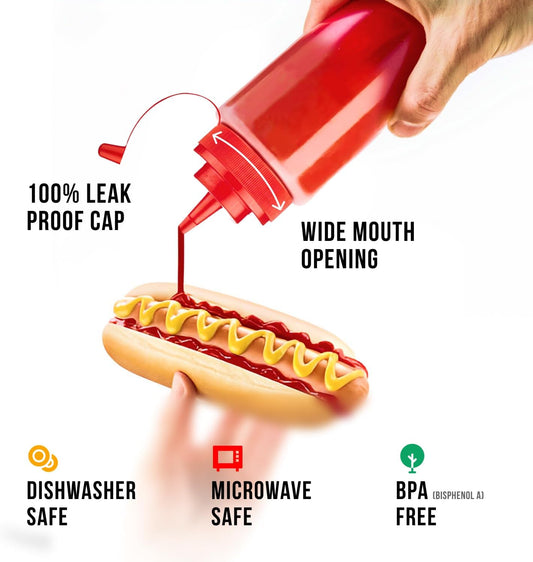
For example, in the kitchen, tools and supplies should be grouped logically. Using kitchen squeeze bottle setups for oils or sauces keeps things tidy and easy to access. Instead of multiple random containers, everything has a purpose and place.
When items have a home, cleaning becomes faster because you are not deciding where things go each time.
Step 2: Reduce Friction
Make it easier to stay organized than to be messy.
If something is hard to put away, you will not do it consistently. This is why simple tools matter.
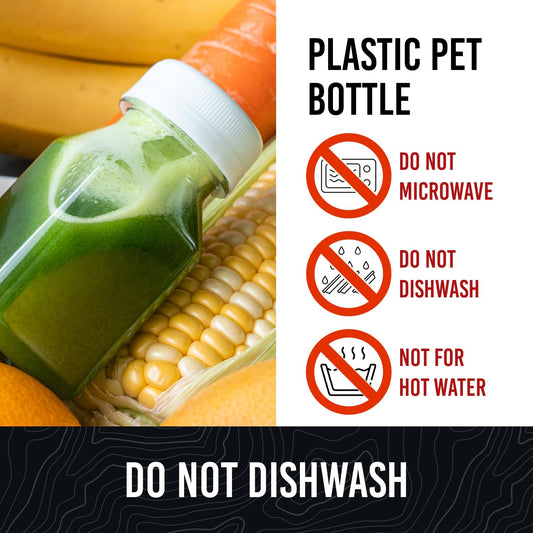
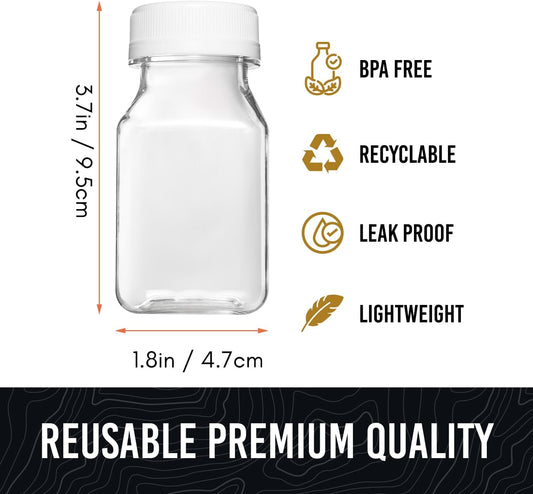
For example, using plastic squeeze bottles for frequently used liquids reduces spills and clutter. They are easy to grab, use, and return. No extra steps, no mess.
The same idea applies everywhere. Keep storage accessible. Avoid overstacking. Use containers that are easy to open and close.
The easier the system feels, the more likely you are to follow it.
Step 3: Use the 10-Minute Reset
Instead of waiting for a big cleaning day, reset your space daily.
Set a timer for 10 minutes. During that time, return everything to its assigned place. Focus only on visible clutter.
This small habit prevents mess from building up. It also removes the pressure of deep cleaning sessions.
Consistency is more important than intensity.

Step 4: Organize Based on Use, Not Looks
Many people organize for appearance. They arrange items in a way that looks neat but is not practical.
A better approach is organizing based on how often you use something.
Keep daily items within easy reach. Store less-used items further away.
For example, in cooking spaces, frequently used sauces can be stored in sauce squeeze bottles for quick access. This not only saves time but also keeps the area clean and efficient.
Function always comes before aesthetics. A system that works will naturally look better over time.
Step 5: Limit What You Own
Organization becomes easier when you have fewer items to manage.
Clutter often comes from holding onto things you do not use. Be honest about what you actually need.
If something has not been used in months, consider removing it. This creates space and reduces the effort needed to stay organized.
Even small changes help. Switching to multi-use tools or containers can simplify your setup. For example, food-grade squeeze bottles can be used for different purposes, reducing the number of separate containers you need.
Step 6: Build Identity, Not Just Habits
The most effective change happens when you shift your mindset.
Instead of saying, “I am trying to be organized,” think, “I am someone who resets their space daily.”
This small shift makes your actions more consistent. You are no longer relying on motivation. You are following a routine that reflects who you are.
Over time, this identity makes organization automatic.
Pro Tips for Long-Term Success
Start with one area instead of your entire home. Quick wins build momentum.
Avoid perfection. A slightly messy but functional system is better than an ideal system you cannot maintain.
Use visual cues. Clear containers and simple layouts help you see when something is out of place.
Upgrade tools gradually. Small improvements like better storage or condiment squeeze bottles can make everyday tasks smoother.
Final Thoughts
Most people fail at staying organized because they rely on one-time efforts instead of repeatable systems.
The key is not working harder. It is making the organization easier.
When you assign homes, reduce friction, and reset daily, everything changes. Your space stays clean with less effort, and you spend less time managing clutter.
The system works because it fits into real life.
A Simple Upgrade That Makes a Big Difference
If you are looking for an easy way to reduce mess and improve your daily routine, upgrading your storage tools is a smart step. These condiment squeeze bottles are designed for convenience, durability, and everyday use. They help keep liquids organized, easy to access, and mess-free. Whether you are setting up a cleaner kitchen or simplifying your routine, this small change can support a more organized system without extra effort.


