










Busy weekdays can make healthy eating feel complicated. Work, school, and family responsibilities often push cooking to the bottom of the list. That is where practical meal prep comes in. With the right tools, you can prepare meals once and enjoy them all week without stress.
This guide focuses on simple, effective tools that save time, reduce food waste, and make healthy eating more consistent.
Why Meal Prep Works
Meal prep is not about cooking gourmet meals every Sunday. It is about creating systems that make weekday meals easier. When your fridge is stocked with ready-to-grab options, you are less likely to order takeout or skip meals.
The key is choosing tools that simplify chopping, storing, and portioning. The goal is convenience, not perfection.
1. Reliable Meal Prep Containers
The foundation of any meal prep routine is good storage. High-quality plastic containers help you portion meals in advance and stack them neatly in your fridge.
Look for containers that:
- Seal tightly to prevent leaks
- Stack easily to save space
- They are clear, so you can see what is inside
- Handle both fridge and freezer storage
Clear containers make a big difference. When you can see grilled chicken, roasted vegetables, or cooked rice at a glance, you are more likely to use them.
Pro tip: Prep ingredients separately instead of assembling full meals. Store proteins, grains, and vegetables in separate containers. Mix and match throughout the week to avoid boredom.
2. Bottles for Smoothies and Liquids
Smoothies, overnight oats, and homemade juices are popular meal prep staples. Having the right bottles makes them easier to store and transport.
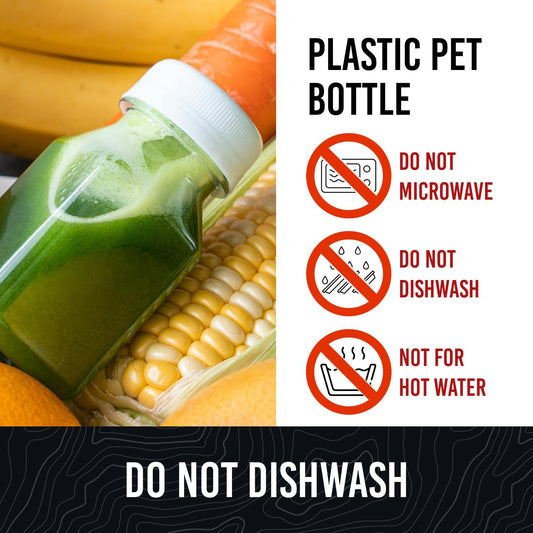
Midway through your prep routine, focus on liquids. Use clear juicing bottles to portion out smoothies for the next few days. Being able to see the contents helps you quickly grab the flavor you want.

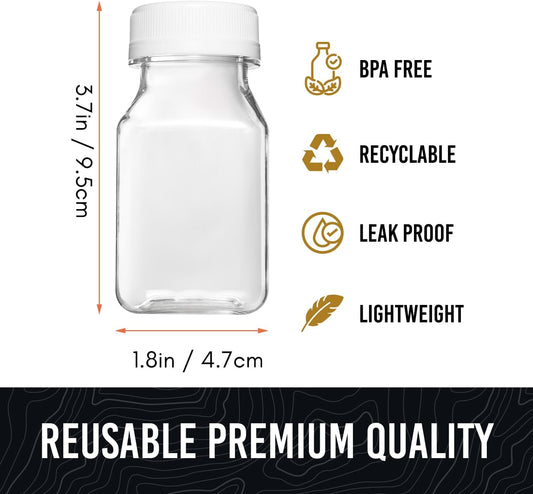
Choose reusable bottles that seal tightly and fit comfortably in your fridge door. Slim designs are especially useful when space is limited.
If you enjoy juicing or protein shakes, dedicated plastic bottles keep everything organized. They prevent spills and help maintain freshness.
Pro tip: Fill bottles only about 90 percent full. This leaves space for shaking before drinking and prevents overflow when frozen smoothies expand.
3. Prep-Friendly Cutting Tools
A sharp knife and a sturdy cutting board are underrated time savers. Dull knives slow you down and make prep frustrating.
Set aside 30 to 60 minutes once or twice a week to chop onions, peppers, carrots, and leafy greens. Store them in airtight containers so they are ready for stir-fries, salads, or omelets.
If you prefer smaller portions for dressings or sauces, compact plastic bottles are helpful. They allow you to pre-mix salad dressings or sauces and store them without leaks.
4. Portion Control Tools
Portion control does not have to mean strict dieting. It simply means consistency. Using measuring cups or pre-sized containers helps you avoid overfilling plates during busy nights.
For example, store nuts, seeds, or snacks in small plastic bottles or compact containers. This makes them easy to grab and reduces the temptation to overeat from large bags.
Pro tip: Label containers with the date you prepared them. This prevents food waste and keeps your fridge organized.
5. Smoothie and Snack Systems
Morning routines are often the most rushed. Having ready-to-drink options makes a big difference.
You can use small reusable bottles for infused water. Add lemon, cucumber, or mint to encourage better hydration throughout the day.
The goal is to remove decision-making during busy mornings. When your smoothie and snacks are ready, you simply grab and go.
6. Labeling and Organization
Even the best containers lose value if everything looks the same. A simple labeling system saves time and prevents confusion.
Use:
- Washable markers
- Reusable labels
- A small whiteboard on the fridge
Write the meal name and prep date. This small habit keeps your system efficient.
Pro tip: Organize your fridge by zones. Keep ready-to-eat meals at eye level. Store ingredients lower down. This makes healthy options the easiest choice.
7. Planning Before Prepping
Tools help, but planning makes them powerful.
Before grocery shopping, decide:
- How many breakfasts, lunches, and dinners you need
- Which ingredients can be reused across meals
- What can be cooked in batches
For example, grilled chicken can become salads, wraps, or rice bowls. Roasted vegetables can be added to pasta or omelets.
When you combine smart planning with quality containers and bottles, meal prep becomes simple instead of overwhelming.
Building a Routine That Lasts
Start small. You do not need to prep every meal for seven days. Begin with lunches or breakfasts only.
Invest in a few dependable containers and bottles. Test what works for your schedule. Over time, your system will become faster and more efficient.
Meal prep is not about strict rules. It is about reducing stress, saving money, and eating better with less effort.
Make Meal Prep Even Easier
If you are looking for reliable storage solutions, our range of durable bottles and containers is designed to simplify your weekly routine. Our products help you portion smoothies, juices, dressings, and snacks with confidence. They are leak-resistant, easy to clean, and perfect for fridge organization. Upgrade your meal prep setup with practical tools that support your busy lifestyle and keep healthy choices within reach every day.


