












Plastic bottles are part of everyday life, but throwing them away after one use adds unnecessary waste. In 2026, more households are looking for simple ways to reuse what they already have. Reusing bottles at home saves money, reduces clutter, and supports a more mindful lifestyle. With a little creativity, empty bottles can become useful tools instead of trash.
Why Reusing Plastic Bottles Matters
Reusing bottles helps reduce the demand for new packaging and lowers household waste. Many reusable bottles are made from durable, food grade plastic that can last far longer than a single use. Finding ways to recycle and reuse plastic at home is one of the easiest steps toward reducing waste.
Instead of focusing only on disposal, reuse extends the life of materials already in circulation. This simple habit supports broader efforts to reduce plastic pollution while making everyday life more practical.
1. Turn Bottles Into Plant Watering Tools
Empty bottles can easily become watering aids for indoor or outdoor plants. Poke small holes in the cap, fill the bottle with water, and slowly pour near the soil. This helps control water flow and prevents overwatering.
Clear bottles are especially useful because you can see how much water is left. This method works well for herbs, balcony plants, and small gardens.
2. Create DIY Storage Containers
Cut bottles in half to create simple storage bins for small items. They are great for organizing screws, craft supplies, stationery, or kids’ toys. Reusing plastic containers for storage reduces the need to buy extra organizers.
Because bottles are lightweight, they can be moved easily between rooms or stacked on shelves.
3. Reuse Bottles for Kitchen Organization
Plastic bottles can store dry foods like rice, lentils, or snacks when cleaned properly. Make sure the bottle is made from food-grade plastic and is thoroughly washed before use.
Clear bottles help you see contents at a glance, making pantry organization easier and reducing food waste caused by forgotten items.
4. Make Simple Desk Organizers
Cut the top portion of a bottle and use the base as a pen holder or cable organizer. This works well for home offices or study desks. Group several bottle bases together for sorting pens, markers, or brushes.
This is one of the easiest examples of creative reuse of plastic bottles that requires minimal effort and no special tools.

5. Use Bottles for Cleaning Solutions
Many people buy separate containers for homemade cleaners. Instead, reuse bottles to store vinegar, soap mixtures, or plant sprays. Secure caps help prevent spills, and labeling the bottle keeps everything organized.
This reduces the need for new packaging and makes cleaning supplies easier to manage.
6. Build Simple Vertical Gardens
Plastic bottles can be turned into vertical planters by cutting openings and hanging them on walls or fences. This is ideal for small spaces where traditional pots take up too much room.
Using bottles for gardening helps reduce plastic pollution by keeping materials in use while adding greenery to your home.
7. Create Kids’ Craft and Learning Tools
Plastic bottles are excellent for kids’ projects. They can become coin banks, sensory bottles, or DIY toys. These activities teach children the value of reuse and creativity.
Always smooth sharp edges and supervise younger children when cutting bottles.
8. Store Liquids Safely for Non-Food Use
Old bottles work well for storing non-drinking liquids like oils for tools, homemade plant feed, or cleaning water. Bottles designed for food storage are especially dependable when reused for household liquids.
Clear bottles let you monitor liquid levels easily and prevent accidental mixing.
9. Use Bottles as Travel Containers
Cut down larger bottles or reuse smaller ones for short trips. They can carry shampoo, soap, or handwash without buying travel size products. Secure caps help avoid leaks in bags.
This reuse method is practical, cost effective, and reduces single use packaging.
10. Donate or Share for Community Reuse
If you have more bottles than you can use, share them. Schools, art groups, and community gardens often need clean bottles for projects. Passing them along extends their usefulness and supports local initiatives.
This habit aligns with growing interest in plastic recycling and reuse ideas that benefit more than one household.
Tips for Safe and Effective Reuse
Always clean bottles thoroughly before reuse. Warm water and mild soap remove residue and odors. Avoid reusing bottles that are cracked, heavily scratched, or damaged.
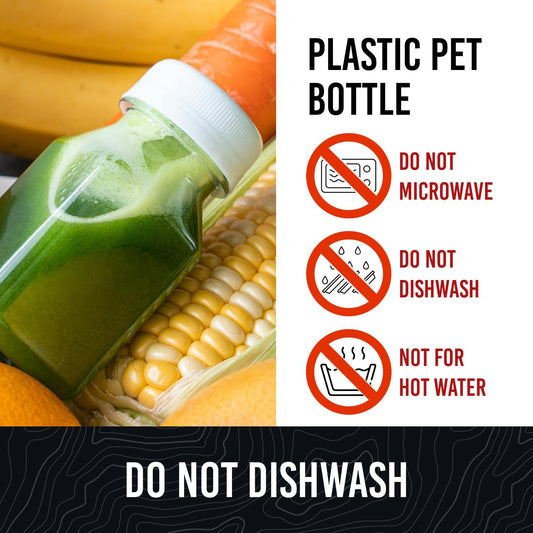
Not all bottles are suitable for hot liquids. Use them mainly for cold or room temperature contents unless the material is clearly rated for heat. Paying attention to material type helps ensure safe reuse.
Reuse as a Daily Habit
Reusing bottles does not require major lifestyle changes. It starts with seeing everyday items as resources instead of waste. Over time, these small actions reduce household clutter and purchasing habits.
The benefits of reusable plastic containers go beyond waste reduction. They support organization, creativity, and smarter consumption at home.
Final Thoughts
Finding new uses for plastic bottles is one of the simplest ways to reduce waste without sacrificing convenience. With a little creativity, bottles can become planters, organizers, storage containers, and learning tools.
In 2026, thoughtful reuse is part of responsible living. By creatively reusing plastic bottles at home, you reduce waste, save money, and contribute to a more sustainable daily routine.
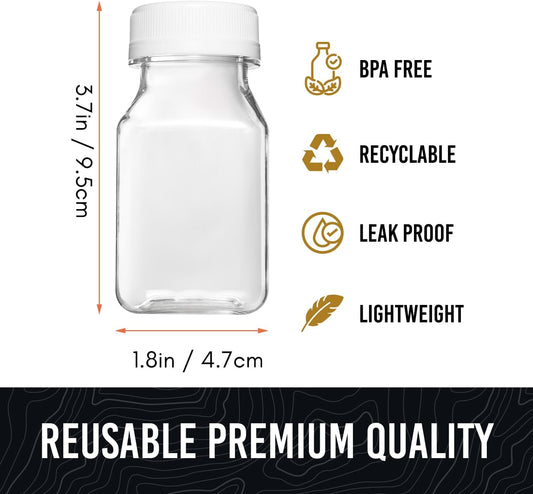
Upgrade your everyday storage with these durable, reusable plastic bottles designed for convenience and versatility. Perfect for smoothies, juices, or DIY household uses, they offer a clean, reliable solution for daily needs. Choose a smarter way to reuse with bottles that are built to last and fit seamlessly into your routine.

