










Meal prep does not have to feel rushed or stressful. When your kitchen is arranged into clear, functional zones, everything flows better. You spend less time searching for tools and more time actually cooking.
Creating kitchen zones is one of the simplest ways to improve efficiency. It helps reduce clutter, saves steps, and makes daily tasks feel easier. Whether you cook every day or just a few times a week, organizing your kitchen into zones can completely change your routine.
Here is how to do it in a practical and beginner-friendly way.
What Are Kitchen Zones
Kitchen zones are dedicated areas for specific tasks. Instead of storing items randomly, you group them based on how you use them.
For example:
- A prep zone for chopping and mixing
- A cooking zone near the stove
- A baking zone for oven tasks
- A cleaning zone around the sink
- A storage zone for pantry items and cookware
When each zone has a clear purpose, meal prep becomes faster and more enjoyable.
1. Create a Dedicated Prep Zone
The prep zone is where most of the action happens. This area should include cutting boards, knives, mixing bowls, and frequently used utensils.
Keep this space close to your sink for easy washing and rinsing. Store tools in nearby drawers or cabinets so you are not walking across the kitchen every few minutes.
A smart addition here is a kitchen cabinet organizer that keeps tools separated and easy to grab. When your measuring cups and peelers are not tangled together, prep time becomes smoother.
Pro tip: Keep your trash bin or compost container close to the prep area. It saves steps and keeps your counter cleaner.
2. Design an Efficient Cooking Zone
Your cooking zone centers around the stove or cooktop. This area should hold pots, pans, cooking utensils, and oils.
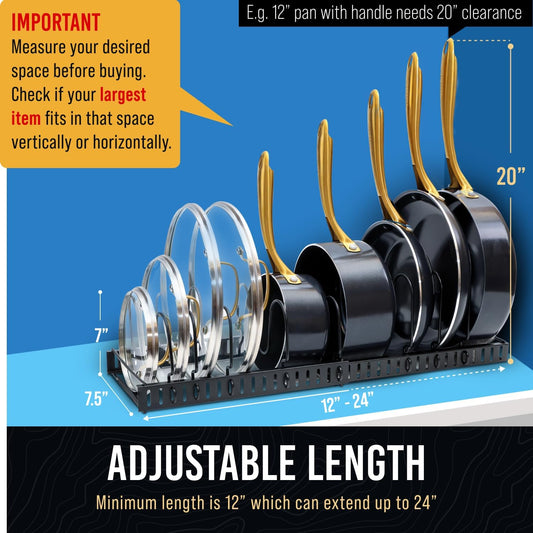
Instead of stacking cookware in unstable piles, consider installing a pan organizer inside the cabinet near your stove. This allows you to slide out the exact pan you need without lifting five others first.
Vertical storage works especially well here. A pan rack keeps skillets upright, preventing scratches and making selection quick. It also improves airflow, which helps keep cabinets fresh.
Keep frequently used spices in a small rack near the stove, but avoid overcrowding the area. Clear space around the cooktop makes cooking safer and more comfortable.
3. Build a Smart Baking Zone
If you bake regularly, create a baking-specific section. Store mixing bowls, measuring tools, and baking sheets together.
Baking trays and cutting boards are difficult to manage when stacked flat. A vertical divider keeps trays upright and easy to access. This setup reduces noise, clutter, and frustration.
If space allows, use cabinet dividers to separate cake pans from cookie sheets. This keeps everything visible at a glance.
Baking becomes much more enjoyable when you do not have to dig through a heavy stack of metal pans.
4. Organize Lids the Right Way
Pot lids are one of the most common sources of cabinet chaos. They slide around, fall over, and rarely stack neatly.
A dedicated pot lid organizer or lid rack inside the cabinet solves this instantly. When lids stand vertically, you can grab the correct size in seconds.

This simple change improves both your cooking zone and storage zone. It also protects glass lids from cracks and scratches.
If you have deep drawers, consider using a deep drawer organizer setup with adjustable dividers. This keeps lids from shifting when drawers open and close.
5. Improve Your Storage Zone
The storage zone includes pantry shelves, lower cabinets, and drawers where cookware lives.
Think vertically. Most cabinets waste height because items are stacked horizontally. Adding a cabinet pan organizer or tiered rack helps you use every inch of space.
For small kitchens or apartments, vertical and pull-out storage can make a dramatic difference. Organizing cookware upright increases visibility and prevents overcrowding.
If you struggle with limited space, focus on these three principles:
- Store items close to where you use them
- Use vertical dividers
- Avoid over-stacking
These small improvements create big results.
6. Keep the Cleaning Zone Simple
Your cleaning zone should include dish soap, sponges, and drying racks. Keep cleaning tools under the sink in a tidy container.
Avoid mixing cleaning supplies with food storage items. Clear separation keeps your kitchen hygienic and easier to maintain.
You can also store dish towels in a nearby drawer organizer so they are always within reach.
7. Maintain Flow Between Zones
Functional kitchen zones should support natural movement. A simple rule many designers follow is the work triangle principle. The sink, stove, and refrigerator should form an easy path.
Even in smaller kitchens, you can improve flow by:
- Removing unnecessary items from countertops
- Keeping everyday cookware near the stove
- Storing prep tools near your main counter space
When your kitchen layout supports your cooking habits, meal prep feels smoother and less tiring.
8. Declutter Before You Organize
Before installing any storage solutions, remove what you do not use.
If you have duplicate pans or broken lids, donate or discard them. A clutter-free cabinet makes any organizer work better.
Focus on keeping:
- Daily use cookware
- Quality baking tools
- Essential prep items
Everything else can be stored elsewhere or removed.
Why Kitchen Zones Make Cooking More Enjoyable
Organized zones reduce decision fatigue. You do not waste mental energy remembering where things are. You move confidently from prep to cooking to serving.
Benefits include:
- Faster meal prep
- Less countertop clutter
- Reduced stress
- Safer cooking environment
- Easier cleanup
When everything has a clear home, your kitchen works with you instead of against you.
Final Thoughts
Creating functional kitchen zones does not require a full renovation. Small changes like installing a pan rack organizer can completely improve your workflow.
If you want a simple upgrade that supports better pan storage, consider a sturdy, adjustable rack that fits inside your cabinet. Our recommended pan rack organizer is designed to hold multiple pans securely, reduce cabinet clutter, and make daily cooking faster and more enjoyable. It is a practical solution for anyone looking to improve kitchen efficiency without complicated installations.


