











A kitchen should make cooking easier, not harder. Yet many people waste time every day searching for tools, clearing counter space, or moving back and forth across the room. A smart kitchen layout changes that. With thoughtful organization and efficient storage, you can cook faster, clean up quicker, and reduce daily stress.
You do not need a full renovation to improve your kitchen. Small layout adjustments and better storage planning can make a noticeable difference. Here is how smart layouts work and how you can apply them in your own space.
1. Create Clear Kitchen Zones
Professional kitchens rely on zones. You can use the same idea at home. Divide your kitchen into four main areas:
- Prep zone
- Cooking zone
- Cleaning zone
- Storage zone
Keep related tools close to each area. Store knives, cutting boards, and mixing bowls near your prep counter. Keep oils, spices, and utensils close to the stove. Place dish soap and drying racks near the sink.
This simple zoning method reduces unnecessary movement. Instead of walking across the kitchen multiple times, everything you need is within reach.
2. Use Vertical Space for Cookware
Pots and pans are often the biggest source of clutter. Stacking them on top of each other leads to scratched surfaces and wasted time digging through piles.
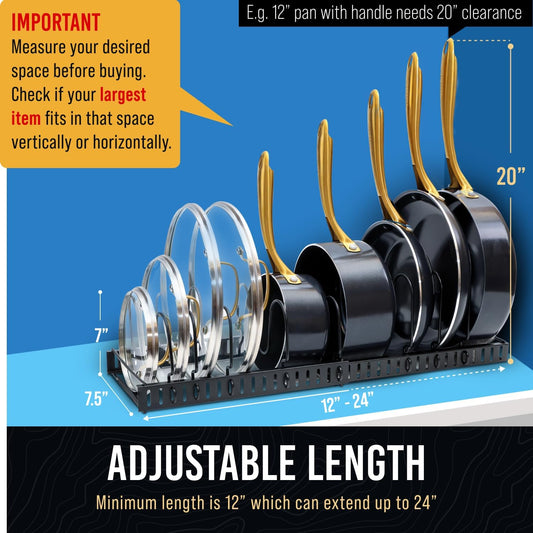
A pan organizer or vertical rack keeps cookware separated and easy to grab. Instead of lifting three pans to reach the one you need, you simply slide it out.
Vertical storage works especially well inside cabinets. Installing a pot-and-pan organizer allows you to turn unused vertical space into a practical system. This approach improves airflow, reduces wear on cookware, and speeds up meal prep.
When pans are easy to access, cooking feels smoother and more controlled.
3. Organize Lids Separately
Loose lids sliding around inside cabinets create frustration. They fall over, make noise, and take up more room than necessary.
A dedicated lid organizer keeps covers upright and separated. Storing lids vertically next to your cookware saves time and protects glass surfaces from cracking.
Some homeowners prefer a door-mounted rack. Others choose dividers inside the cabinet. Either option improves visibility and makes it easier to match the right lid with the right pot quickly.
Small changes like this remove daily annoyances that build up over time.
4. Improve Drawer and Cabinet Efficiency
Deep drawers are often underused. Instead of stacking items randomly, add dividers or racks that create sections. A deep drawer organizer helps keep pans, baking trays, and lids neatly separated.
Inside lower cabinets, consider using pull-out racks. These allow you to access items at the back without bending or reaching awkwardly. This is especially helpful for heavy cookware.
Well-planned cabinets create a more organized kitchen and make daily tasks easier. When every item has a defined space, cleanup becomes faster, and your kitchen stays tidy with less effort.

5. Keep Countertops Clear
Cluttered countertops increase stress. Even if the kitchen is clean, too many visible items create a feeling of chaos.
Limit countertop storage to essentials like a coffee maker or a frequently used utensil holder. Move bulk cookware into cabinets.
Clear counters give you more prep space and make the kitchen look bigger. They also simplify cleaning since there are fewer obstacles when wiping surfaces.
6. Plan for Workflow, Not Just Appearance
A beautiful kitchen is nice to have, but efficiency should come first. Think about how you actually cook.
Ask yourself:
- Do I prep vegetables near the sink or stove?
- Where do I naturally set hot pans down?
- Which items do I use every day?
Arrange storage based on your habits. Frequently used items should be stored at waist or chest height. Rarely used cookware can go higher or deeper in cabinets.
A functional pans organizer setup supports daily cooking instead of working against it.
7. Reduce Decision Fatigue
An organized kitchen does more than save time. It reduces mental clutter. When tools are easy to find, your brain does not waste energy searching or planning around obstacles.
A clear structure means fewer small frustrations. You know where everything belongs. Cleanup becomes automatic. Over time, this reduces daily stress and makes cooking feel enjoyable again.
Even simple improvements like adding a pot and pan rack or rearranging cabinets can change how you experience your kitchen.
8. Make Small Spaces Work Harder
In apartments or compact homes, layout matters even more. Smart storage transforms limited square footage into an efficient cooking space.
Vertical racks, drawer dividers, and under-cabinet systems allow you to maximize storage without crowding the room. Instead of expanding the kitchen, you are improving how it functions.
Well-planned storage organizers help small kitchens feel organized and capable rather than cramped.
9. Maintain the System
A smart layout only works if it stays organized. Take a few minutes each week to reset drawers and cabinets. Return items to their assigned spots.
Avoid adding unnecessary tools that create clutter. Focus on quality cookware that fits neatly within your storage system.
Consistency keeps your kitchen efficient long-term.
Final Thoughts
Cooking should feel productive and satisfying, not stressful. Smart kitchen layouts reduce wasted motion, improve visibility, and simplify cleanup. By creating zones, using vertical storage, organizing lids separately, and keeping countertops clear, you can transform your daily routine.
Even small upgrades like a structured pan organizer or a compact rack inside your cabinet can have a big impact on efficiency.
If you are looking for a simple way to improve your kitchen setup, consider the Norcalway Adjustable Bakeware Pots and Pans Organizer. It is designed to store pans vertically, maximize cabinet space, and keep cookware easy to access. With sturdy construction and adjustable spacing, it helps create a cleaner, more functional kitchen without a full remodel. A smarter layout starts with smarter storage.


