














Getting bold, even candle color every time, is not about luck. It is about understanding how dyes behave, how much to use, and how to apply them correctly across different wax types. With the right approach, you can avoid dull shades, patchy finishes, and wasted materials while achieving clean, professional-looking candles.
This tutorial shares advanced yet beginner-friendly candle dye tips, using real application guidelines, dye ratios, and mixing methods that work for soy, paraffin, beeswax, palm wax, and most common candle wax bases.
Start With the Right Dye and Wax Compatibility
Not all candle dyes work with every wax. High-quality solid or liquid dyes are designed to dissolve fully in melted wax, creating smooth, even color with no clumps or streaks.
Most premium candle dyes work well with:
- Soy wax
- Beeswax
- Palm wax
- Paraffin-based waxes
- Wax blends
They are not suitable for gel wax, which requires specialized coloring products.
If you are working with soy wax, expect naturally softer tones than paraffin. This is normal for plant-based waxes and often preferred for a clean, modern look. Always check the manufacturer's note to find out if the dye is compatible with the wax you’re using.
Prepare Your Mold or Container First
Color consistency starts before you even melt wax.
Clean molds thoroughly to remove dust or residue that can affect surface appearance. Make sure molds are completely dry since water and hot wax do not mix. If using containers, ensure they are clean and at room temperature.
Center the wick carefully. A centered wick ensures even burning and helps the color appear uniform from top to bottom.
Use Proper Dye Ratios for Consistent Color
One of the most common candle-making mistakes is estimating dye amounts by eye. For reliable results, always measure your wax first and add dye in controlled, incremental amounts. Different coloring approaches require different dye levels, with full-blending methods using less dye than surface or exterior coloring techniques.
Adding excessive dye can interfere with burn quality, wick performance, and fragrance release. Learning to balance dye concentration with your chosen method helps you achieve vibrant, even color without compromising candle performance.
Choose the Right Dyeing Method
There are two main ways to color candles, and each creates a different result.
Full dyeing or mixing method
Add dye directly to fully melted wax. Stir gently until the dye dissolves completely, then pour it into the mold or container. This method gives consistent color throughout the candle and is ideal for jars and molded candles.
Surface dyeing or dipping method
Dip a fully hardened candle into a separate pot of dyed wax. These colors only the exterior and work well for decorative or layered designs.
Both methods are useful, depending on whether you want bold uniform color or artistic finishes.
Melt and Dye at the Right Temperature
Temperature control is critical for vibrant color.
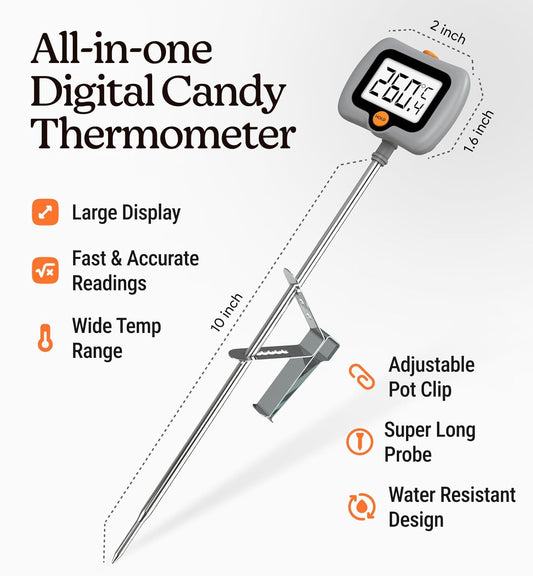
Melt wax according to its manufacturer’s guidelines. Add dye once the wax is fully melted and clear. For many wax types, dyes dissolve best around 152°F or 67°C.
Stir gently for one to two minutes. Fast stirring introduces air bubbles, while under-stirring causes uneven color. This step plays a big role in preventing fading colors and streaky results.
Test Color Before Pouring
Always test your color before committing to a full pour.
Place a small drop of dyed wax onto white paper and allow it to cool. Remember that hot wax appears darker than the finished candle. Adjust dye gradually if needed.
This step is essential when dyeing soy wax candles, and the same principle applies to other types of wax as well.
Explore Color Mixing for Custom Shades
One of the biggest advantages of solid dyes is how easily they crush and blend.
By mixing small percentages of different colors, you can create custom shades like coral, turquoise, olive, or soft gray. For example:
- Red with a small amount of blue and white creates berry tones
- Green and yellow blends produce fresh citrus or olive hues
- White and black together create balanced gray tones
Avoid mixing dyes from different manufacturers, as results can be unpredictable.
Playing with different color combinations lets you create unique candle shades that fit your style or overall theme.

Pour Carefully for Best Results
Once dyed and mixed, pour wax slowly and steadily into your mold or container. Pouring too fast can trap air and affect surface appearance.
Allow candles to cool undisturbed. For layered candles, let each layer fully harden before pouring the next to prevent color bleeding.

Remove Candles Cleanly After Cooling
Once the candle has fully solidified, gently remove it from the mold.
If it sticks, place the mold in the freezer for 15 to 20 minutes or lightly warm the outside with a hair dryer. Lightly coating molds with food-grade oil or silicone spray before pouring can make future releases easier.
Storage, Safety, and Long-Term Color Care
If dyed wax sits unused, dye may settle. Stir again before reheating.
Store candle dyes in a cool, dry place away from sunlight and moisture. Keep containers sealed when not in use.
Follow safety guidelines carefully. Keep dye and hot wax away from children and pets. Wear protective gloves and avoid overheating wax beyond recommended temperatures.
Final Thoughts
Achieving rich, vibrant candle color every time comes down to preparation, correct measurements, proper temperature control, and thoughtful mixing. With the right dye amounts, compatible waxes, and tested techniques, you can create candles that look professional, burn cleanly, and stand out visually.
Once you master these pro dye tips, coloring becomes less of a challenge and more of a creative advantage in your candle-making process.
Bring your candle creations to life with bold, consistent color using this premium candle dye set designed for smooth blending and vibrant results. Compatible with soy, beeswax, paraffin, and more, it helps you achieve professional-quality finishes with ease. A perfect choice for both beginners and experienced makers looking to elevate their candle designs.

